Is Damaged Mortar Inflating Your Winter Heating Bill?
Is Your Brickwork Letting Cold Air Into Your Home?
Cracked or missing mortar can leave your brickwork exposed to cold air and moisture. If those gaps contribute to drafts inside your home, they may also make it harder to keep rooms warm. Tuckpointing replaces deteriorated mortar to help protect your brickwork from water and weather. If you’ve noticed damaged joints, addressing them early can help prevent more extensive masonry repairs.
How Damaged Mortar Leaves Your Home Exposed
Mortar fills the joints between your bricks and helps protect your masonry from the weather. As those joints crack, crumble, or wear away, they leave openings where rain and wind can enter the brickwork.
If those openings connect to gaps farther inside the wall, you may notice drafts or rooms that feel harder to keep warm. Turning up the thermostat might make the room more comfortable, but it won’t repair the damaged joints.
Not every surface crack causes an indoor draft, and tuckpointing cannot guarantee a lower heating bill. Even so, deteriorated mortar needs attention because it leaves your brickwork more vulnerable to water damage.
Signs Your Mortar Needs Tuckpointing
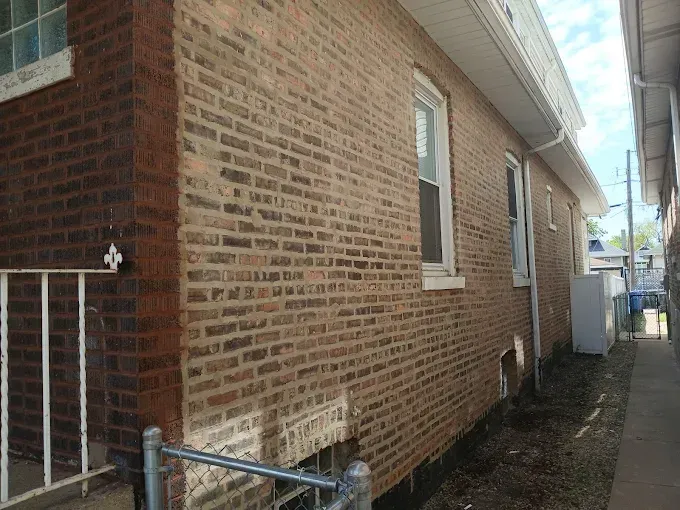
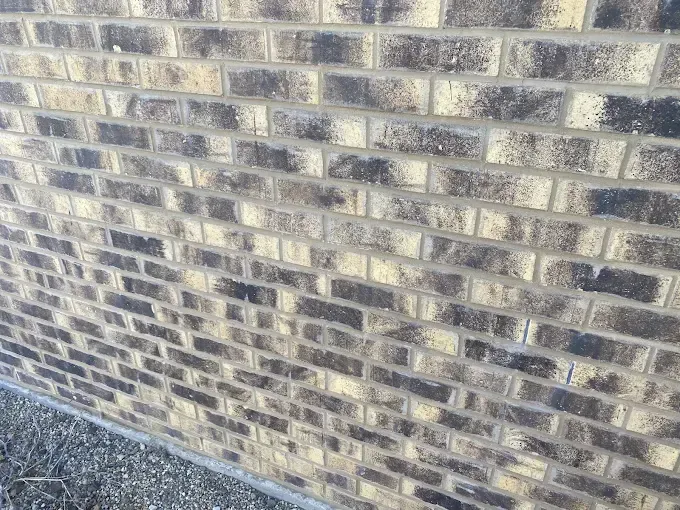
Visible gaps and crumbling joints are clear reasons to have your mortar checked. From ground level, look for these signs:
- Missing mortar: Open spaces between bricks where sections of mortar have fallen out.
- Crumbling joints: Loose material breaking away or collecting beneath the wall.
- Deeply worn joints: Mortar that has receded noticeably from the brick faces.
- Cracked joints: Splits running through the mortar or along the edges of bricks.
- Loose or damaged bricks: Movement, flaking surfaces, or broken brick faces near deteriorated joints.
You don’t need to wait until damage covers an entire wall. A few failing joints may be suitable for a localized repair while the surrounding masonry is still in good condition. Loose bricks or spreading cracks may require additional masonry work.
Why Winter Can Make Mortar Damage Worse
Water that enters damaged mortar joints can freeze and expand during cold weather. Repeated freezing and thawing can widen existing cracks and cause more mortar to break away.
That creates a cycle: damaged joints let in water, winter weather makes the damage worse, and the larger openings leave more brickwork exposed. Over time, the bricks themselves may begin to deteriorate.
Repairing failing mortar helps interrupt that cycle. It is also important to address anything repeatedly soaking the wall, such as an overflowing gutter. New mortar cannot provide lasting protection if the same water problem continues unchecked.
How Tuckpointing Repairs Damaged Joints
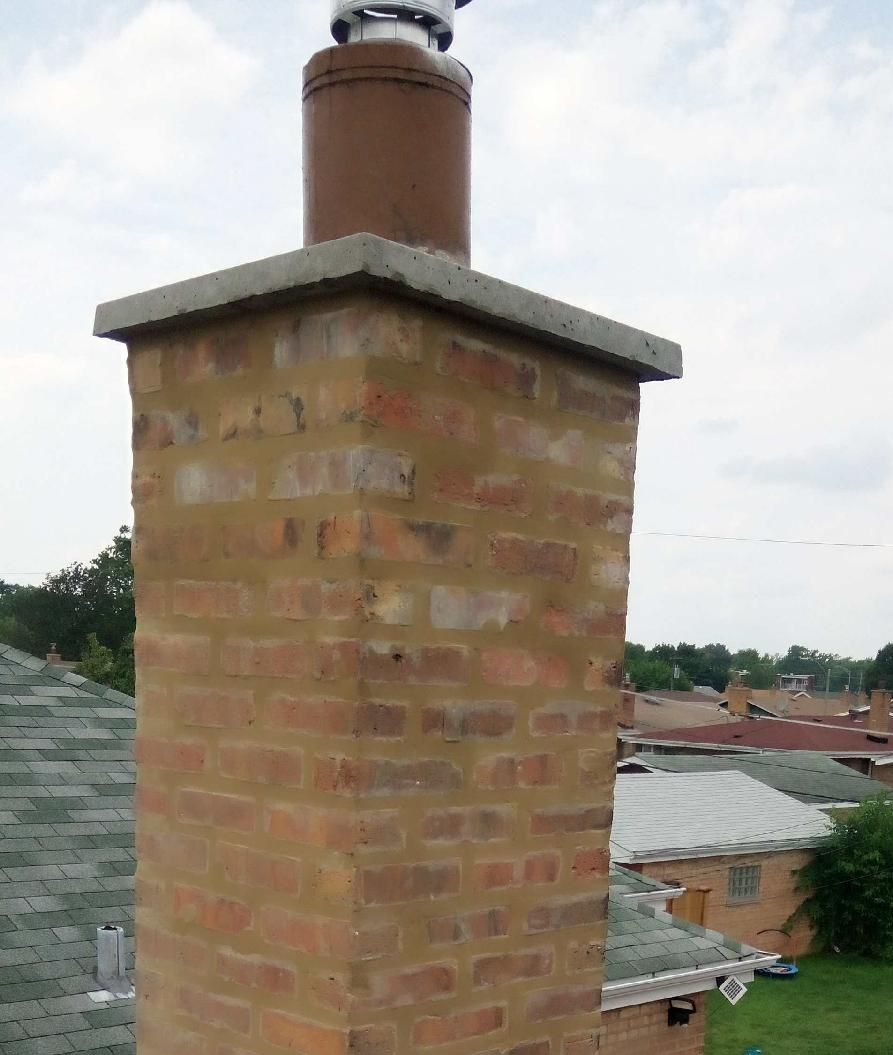
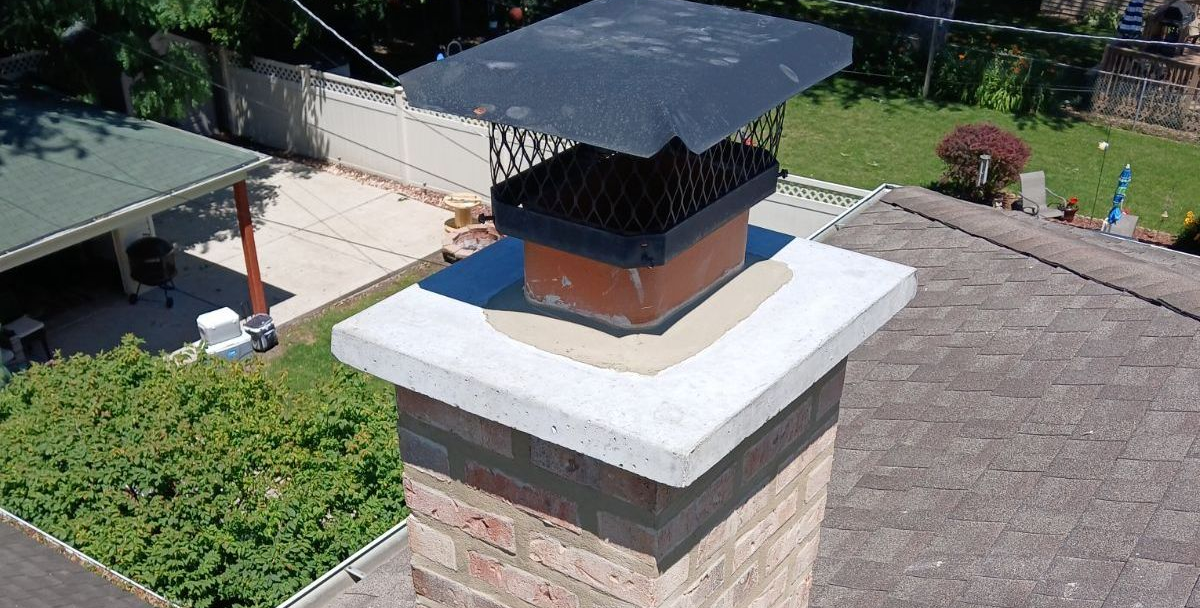
Tuckpointing removes deteriorated mortar and replaces it with new mortar suited to your existing brickwork. The joints are cleaned and prepared before the replacement mortar is installed and finished.
Proper preparation matters. Spreading a thin layer of new mortar over loose, crumbling material leaves the failed mortar underneath. A lasting repair starts with removing the damaged material so the replacement mortar has a sound place to bond.
The result is more than a cleaner-looking wall. Repairing open joints helps limit water entry and protects the surrounding bricks. Where damaged mortar contributes to drafts, the repair may also help reduce that source of cold air.
Spot Tuckpointing vs. Extensive Mortar Repair
Spot tuckpointing can be a durable solution when mortar damage is limited to a few areas and the surrounding joints remain sound. It allows you to repair the sections that need attention while preserving healthy mortar.
More extensive tuckpointing may be appropriate when joints are deteriorating across a larger portion of the wall. If bricks are cracked, loose, or displaced, mortar replacement alone may not address the full problem.
The right choice depends on what is happening to your masonry. An inspection can help establish whether you need a localized repair, broader tuckpointing, or brick repair alongside the mortar work.
Get a Free Tuckpointing Estimate in Chicago & the Surrounding Suburbs
Kerry Tuckpointing has served the area since 1991 and provides a workmanship warranty on all projects. If you’ve noticed missing mortar, crumbling joints, or damaged bricks, our team can assess your masonry and recommend the right tuckpointing or repair solution. We serve Oak Lawn, Brookfield, Ashburn, Chatham, and surrounding areas throughout Chicago and the suburbs. Contact Kerry Tuckpointing for a free estimate and address damaged mortar before winter weather makes it worse.