Does Your Chimney Need Tuckpointing or a Complete Rebuild?
Understanding the Difference Between Tuckpointing & a Rebuild
These two services address different levels of chimney deterioration and are not interchangeable. Knowing which one applies to your chimney is the first step toward getting the right repair rather than either overspending on a rebuild that was not necessary or underspending on a tuckpointing job that does not address the actual structural problem.
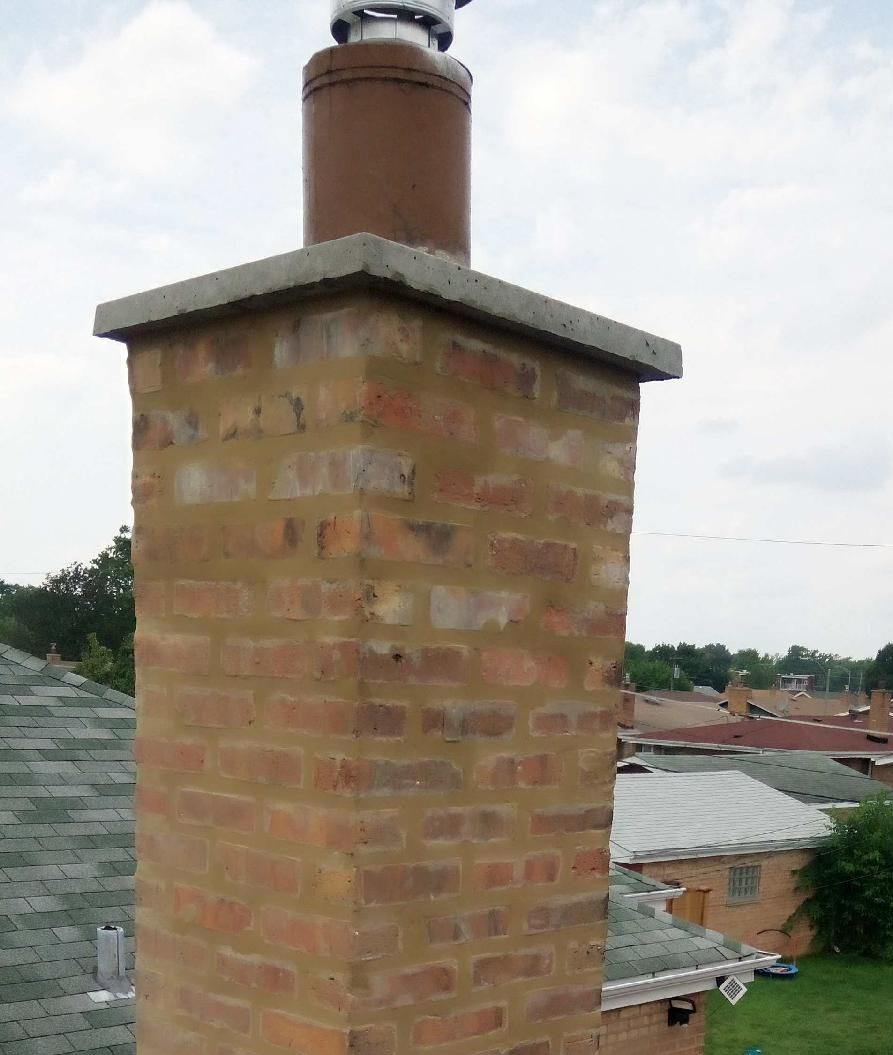
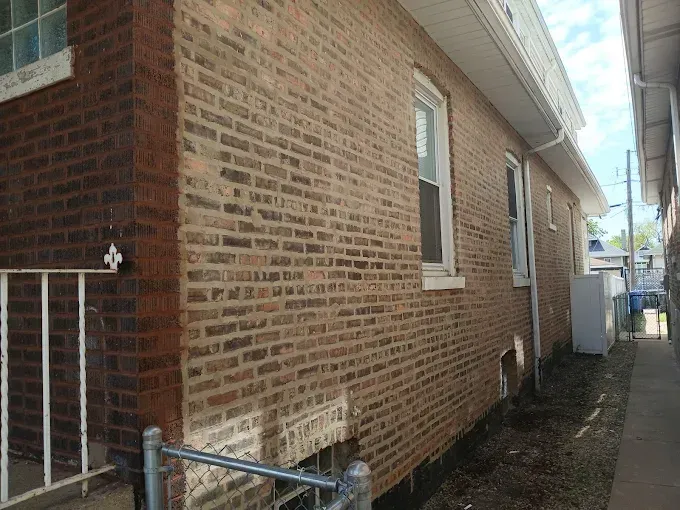
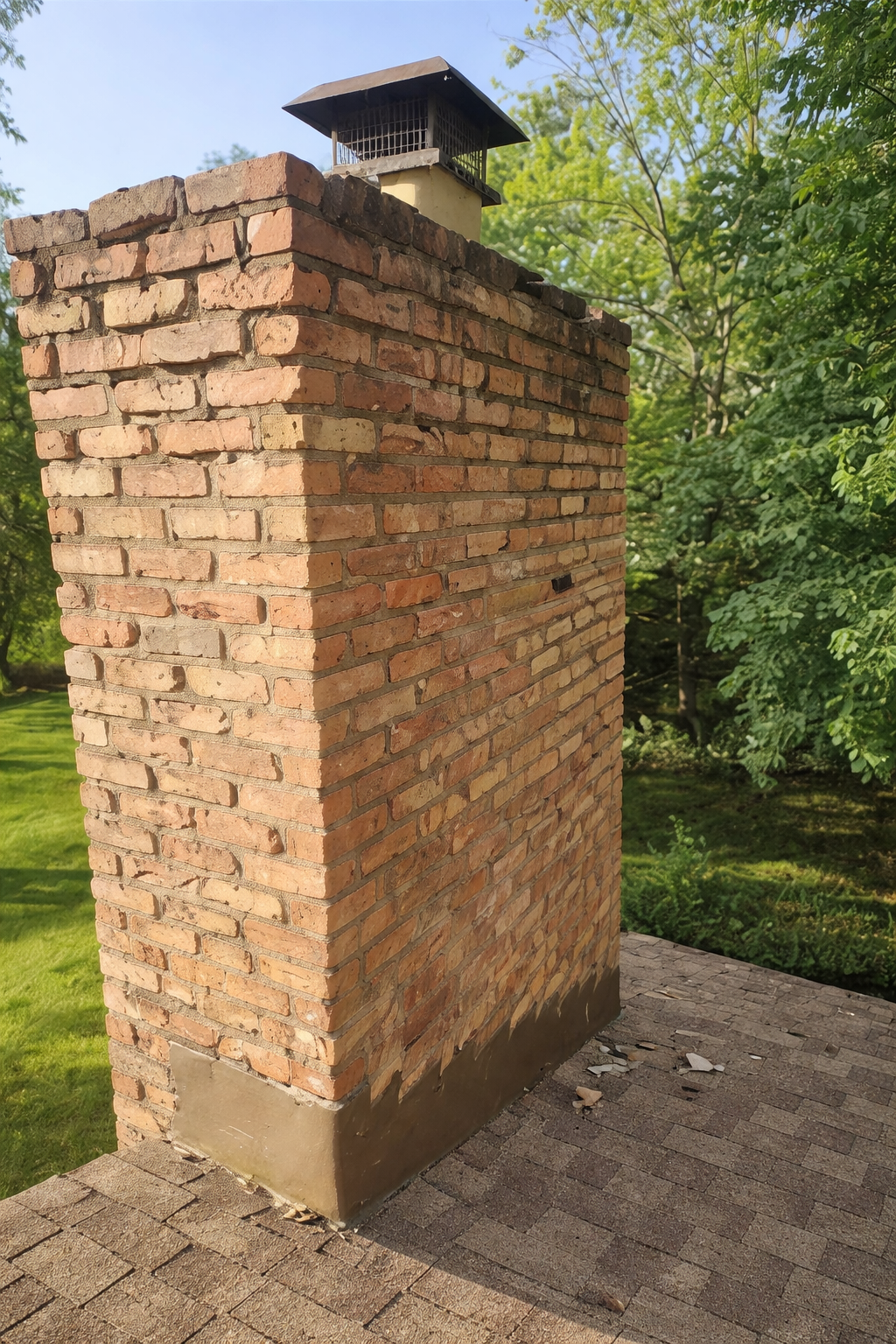
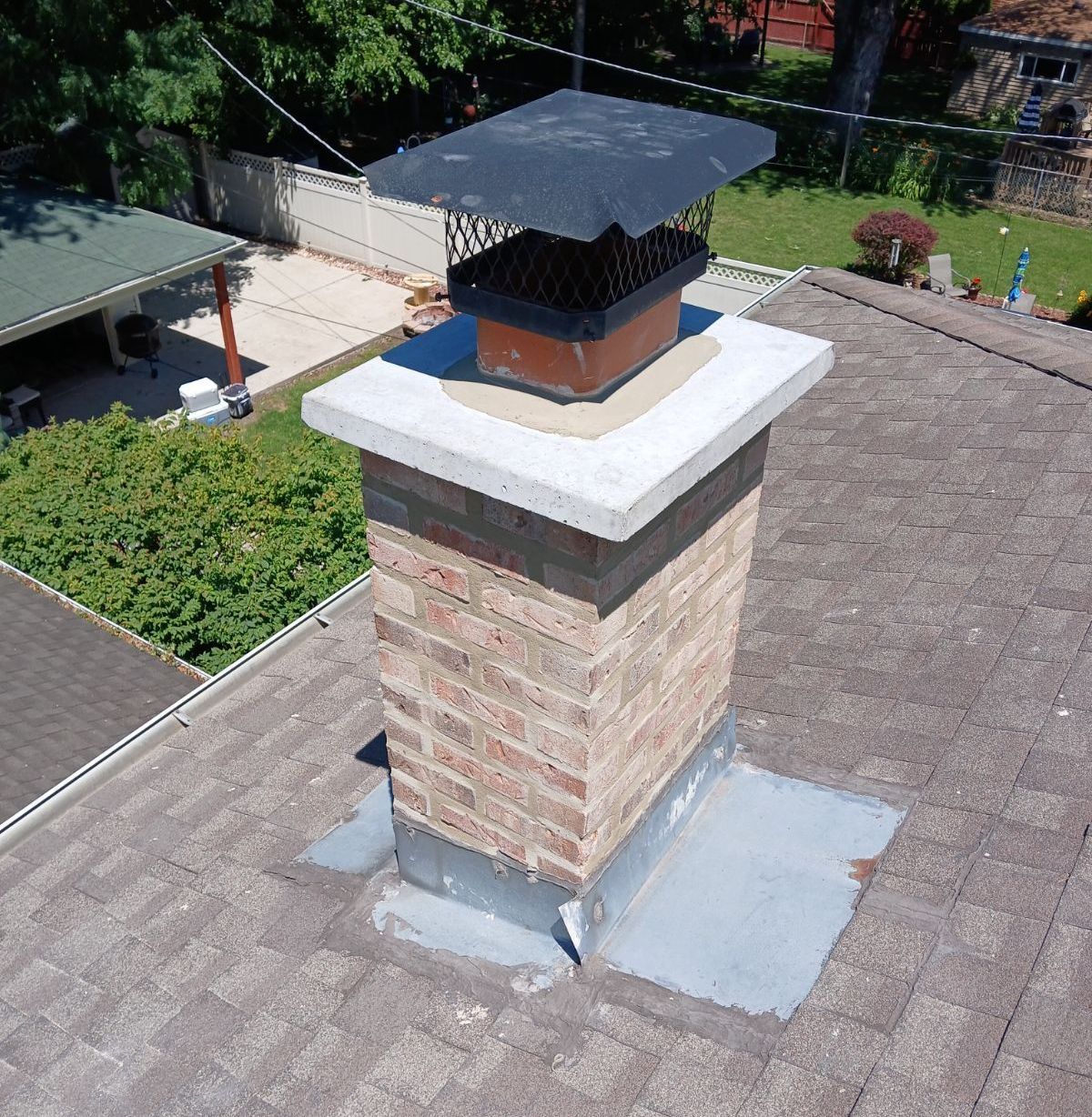
Chimney Tuckpointing is the process of removing deteriorated mortar from the joints between bricks and replacing it with fresh mortar. The bricks themselves remain in place. The goal is to restore the waterproofing seal and structural cohesion of the mortar joints before damage progresses further. When caught at the right stage, tuckpointing is one of the most cost-effective chimney repairs available.
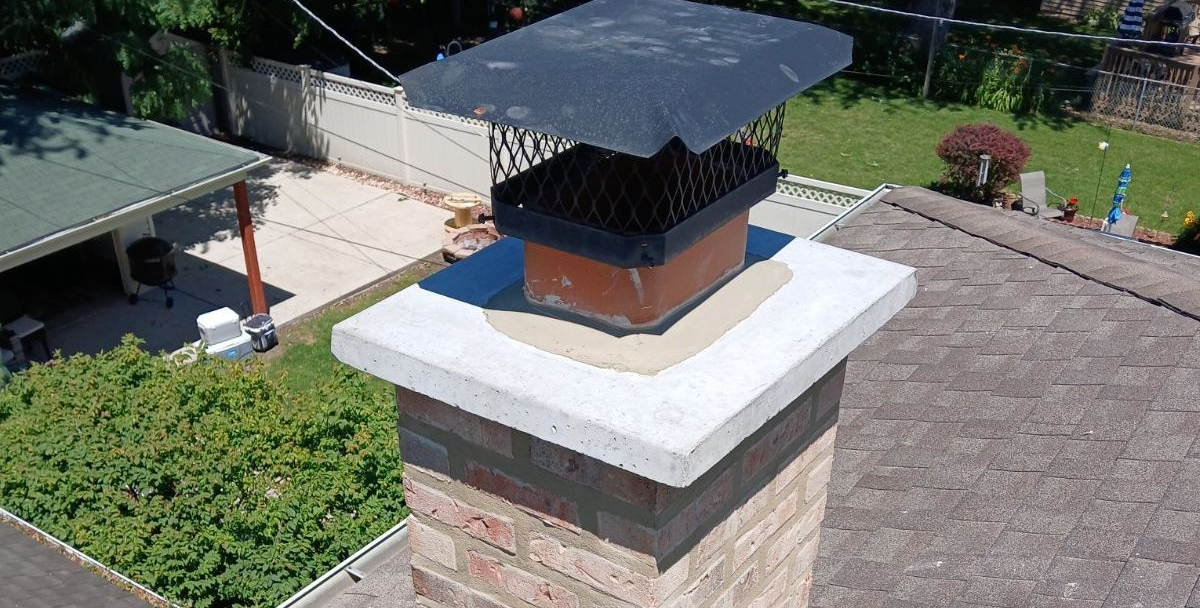
A chimney rebuild is a different scope of work entirely. It is required when the masonry structure itself has deteriorated beyond what mortar repair can address. That typically means bricks that are crumbling, spalling, or structurally compromised, sections of the chimney that are leaning or shifting, or damage that runs through the masonry rather than just at the mortar joints.
Signs Your Chimney Needs Tuckpointing
Most chimneys that need attention are tuckpointing candidates rather than full rebuild situations. The key is catching the deterioration at the mortar joint stage before it advances into the brick itself.
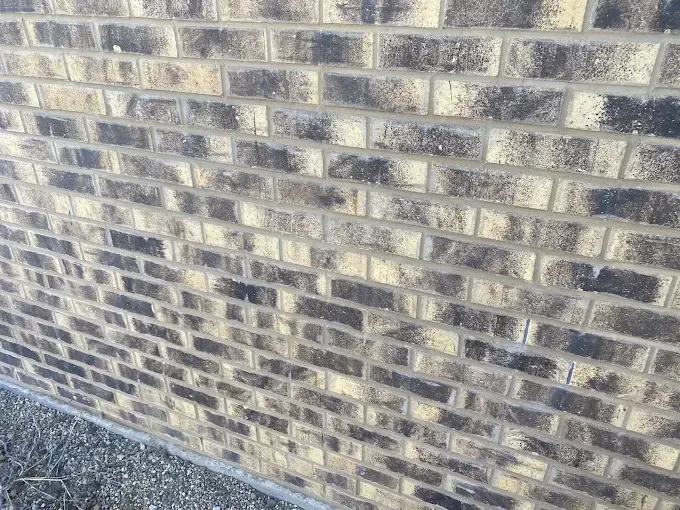
The most visible indicator is mortar that has cracked, crumbled, or begun pulling away from the brick surface. Gaps in the mortar joints that you can see from the ground, or probe with a nail or key, indicate that the mortar has lost its structural integrity and is no longer sealing the chimney against moisture. White staining on the chimney exterior, known as efflorescence, signals that water is already moving through the mortar and depositing mineral salts on the surface.
Minor interior moisture near the fireplace, particularly after heavy rain, can also indicate that mortar joints have failed enough to allow water infiltration. At this stage the bricks are typically still solid and the structure is sound. Tuckpointing addresses the problem at the source before the damage moves into the masonry units themselves.
Signs Your Chimney Needs a Partial or Complete Rebuild
When deterioration has advanced past the mortar joints and into the bricks, the assessment shifts from tuckpointing to rebuilding. Several conditions point clearly toward a rebuild:
Spalling bricks. Spalling is the process by which the face of a brick breaks off, flakes, or crumbles. Once a brick begins to spall, its structural contribution to the chimney is reduced and the damage tends to spread as exposed material absorbs more moisture through successive freeze-thaw cycles.
Loose or missing bricks. Bricks that shift when touched, or gaps where bricks have fallen out entirely, indicate that the structure has lost cohesion at a level that mortar replacement alone cannot restore.
A leaning or bowing chimney. Any visible lean or shift in the chimney stack is a structural warning sign that requires immediate professional assessment. A leaning chimney has typically experienced significant internal deterioration or foundation movement and represents a safety risk that goes beyond cosmetic repair.
Widespread cracking throughout the masonry. Hairline cracks in a few mortar joints are a tuckpointing situation. Cracks that run through bricks, extend across multiple courses of masonry, or appear throughout the structure signal deeper deterioration.
Water damage inside the chimney structure. When water has been infiltrating an untreated chimney for years, the damage often extends far beyond what is visible from the exterior. An inspection by an experienced mason may reveal interior deterioration that warrants a partial or full rebuild even when the outside looks manageable.
Why Chicago's Climate Accelerates Chimney Deterioration
The Chicagoland climate is one of the most demanding environments for masonry in the country. Water infiltrates mortar joints throughout the wet months of spring and fall. When temperatures drop in winter, that trapped water freezes and expands, exerting pressure on the mortar and bricks from the inside. The repeated cycle of freezing and thawing breaks down masonry progressively, and Chicago's winters provide dozens of those cycles each season.
For homeowners in the Chicago areas, this means chimney deterioration tends to advance faster than in milder climates. A mortar joint that might stay stable for a decade in a southern state can fail within a few years in the Chicago area if water is consistently getting in and freezing. Annual or biennial visual inspections help catch deterioration at the tuckpointing stage rather than letting it progress to a more expensive repair.
Why Acting Early Almost Always Saves Money
The cost difference between tuckpointing and a chimney rebuild is significant. Tuckpointing addresses failing mortar at a fraction of the cost of replacing bricks, rebuilding courses of masonry, or taking a chimney down and starting from scratch. Every season that a chimney with failing mortar goes without repair is a season in which freeze-thaw cycles work the damage further into the structure.
A chimney that needed tuckpointing three years ago and did not get it often becomes a partial rebuild situation today. One that needed a partial rebuild and was deferred becomes a full rebuild. The repair that was accessible at a manageable cost compounds into a significantly larger project when it is put off.
How Kerry Tuckpointing Assesses South Chicago Chimneys
Kerry Tuckpointing has been assessing and repairing chimneys throughout South Chicago and the surrounding suburbs since 1991. The owner-operated team is fully licensed, bonded, and insured, and brings over 30 years of Chicagoland masonry experience to every inspection.
The assessment process starts with a thorough evaluation of the mortar joints, brick condition, crown, flashing, and overall structural integrity of the chimney before any recommendation is made. Free estimates are provided for every project, and the team works with both residential and commercial property owners throughout Beverly, Brookfield, Oak Lawn, La Grange, and the broader South Chicago area. Every completed project is backed by a warranty on both materials and workmanship.