How Do I Know If My Chimney Is Leaking?
What Are the Warning Signs of a Leaking Chimney?
A leaking chimney can cause structural damage, mold, and costly repairs if left unchecked. Homeowners often miss subtle signs until staining or rot becomes visible inside. Knowing the common symptoms and where leaks originate helps prioritize inspection and cleanup and ensures timely professional intervention to protect your home and safety.
What Are Common Signs of a Leaking Chimney?
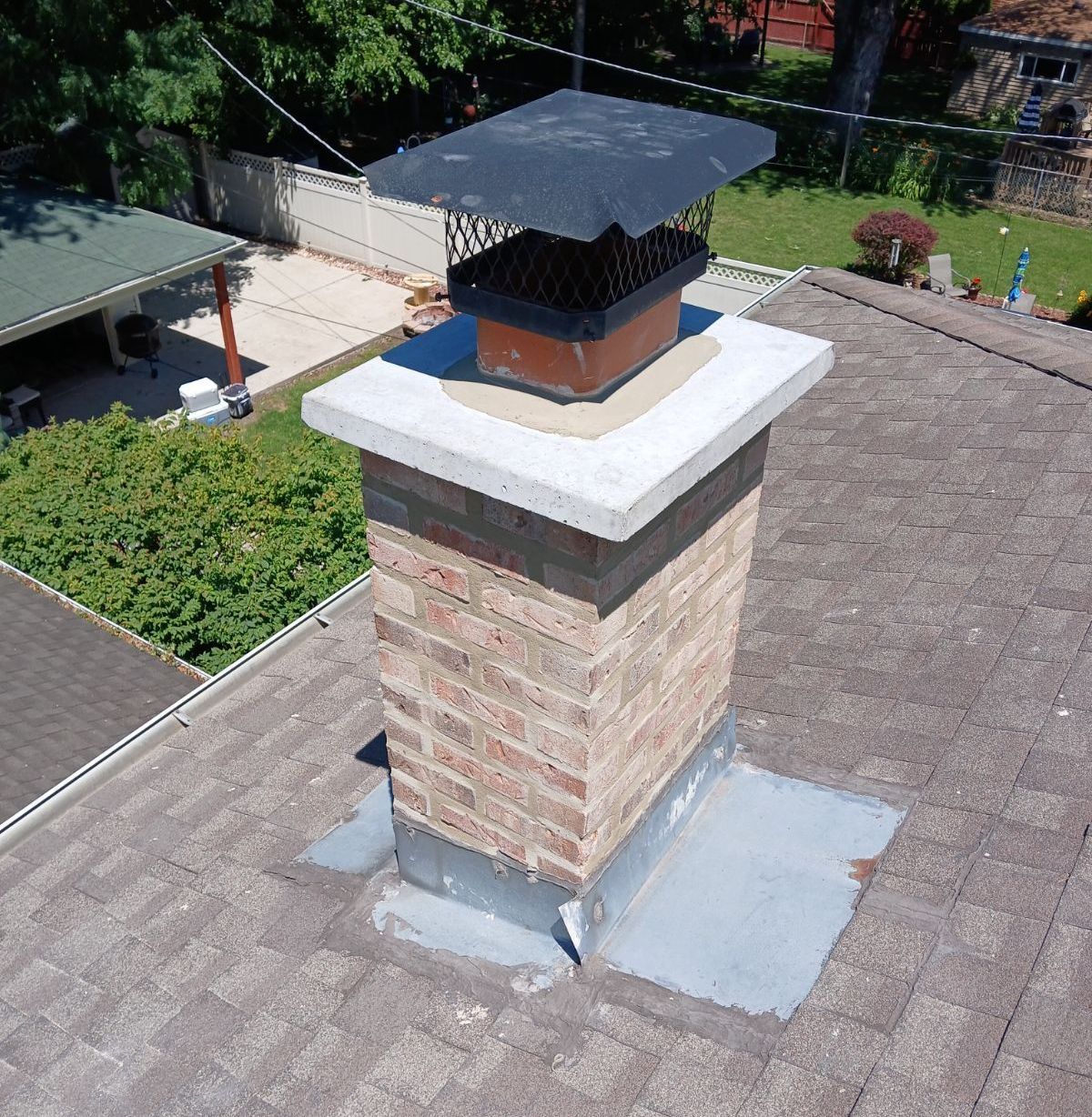
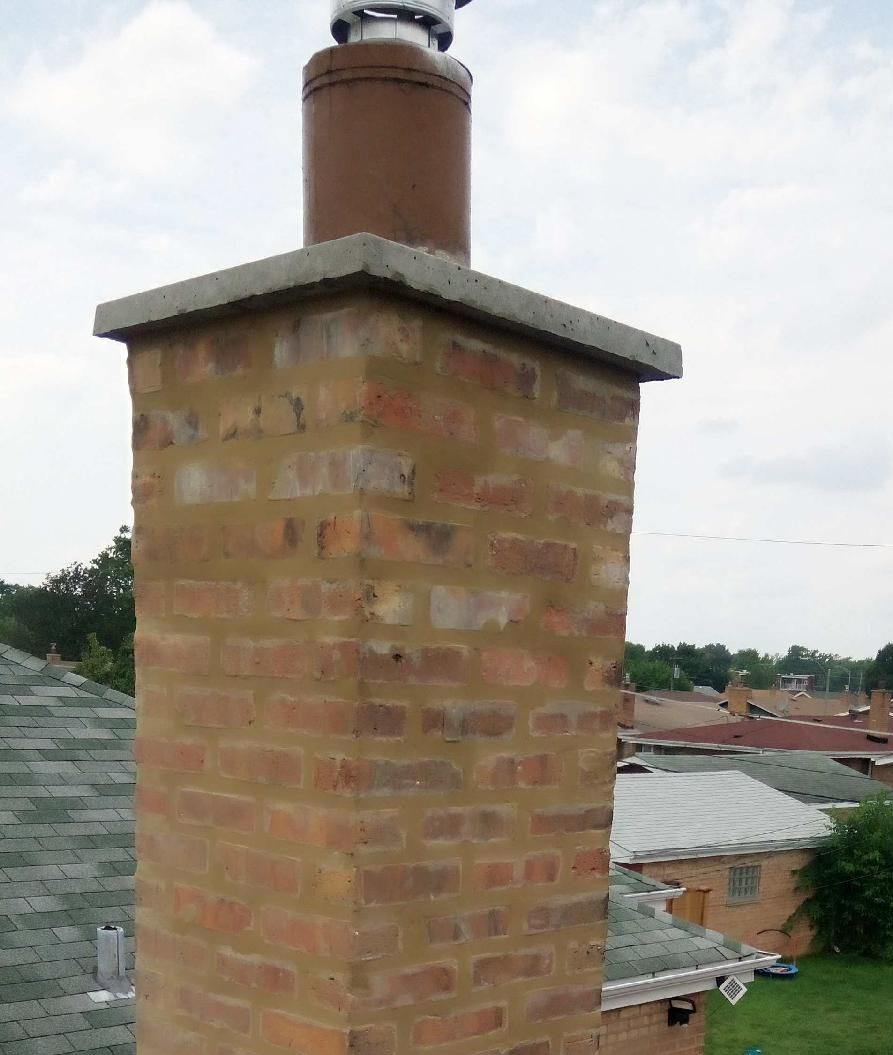
Water intrusion from a chimney often manifests as secondary issues: discolored ceilings or walls near the chimney, peeling paint, musty odors, and increased soot or efflorescence on masonry. Inside the attic, you might find damp insulation, dark streaks, or active dripping during rain. Exterior signs include mortar deterioration, rust on flashing, and staining on the chimney crown. These indicators don’t always point to the same cause, so they warrant prompt evaluation to prevent progressive damage.
Where Do Chimney Leaks Usually Originate?
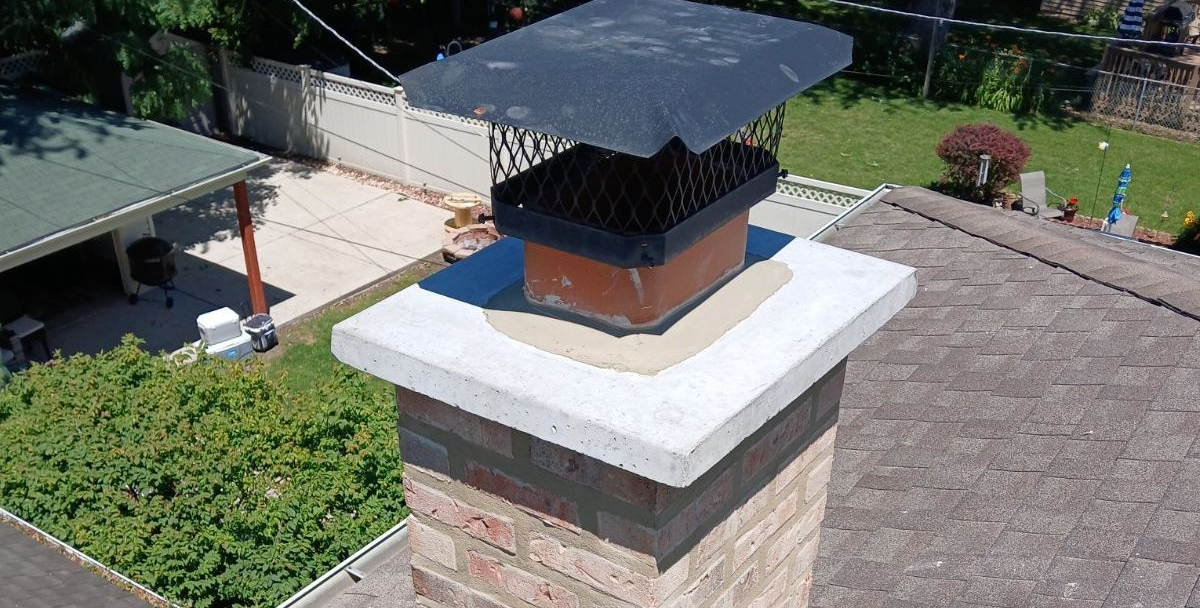
Leaks commonly start at weak points where different materials meet: the flashing where the chimney meets the roof, cracked crowns, deteriorated mortar joints, or porous brick and stone that allow water penetration. Flashing failures are frequent because sealants can shrink or separate over time. Ice and freeze-thaw cycles can widen cracks in crowns and mortar, allowing water to enter the flue or interior wall cavities. Because causes vary and may be concealed, professional diagnosis is usually necessary; DIY fixes often miss underlying damage and can cost more in the long run.
What Visible Indicators Should I Look For?
- Staining and Discoloration: Brown or yellowish streaks on interior ceilings or walls adjacent to the chimney that worsen after rain indicate active water paths.
- Peeling Paint or Wallpaper: Moisture-driven paint failure near the chimney often signals repeated wetting behind the finish.
- Damp Insulation or Attic Water Stains: Wet, compacted insulation or dark, circular stains on attic sheathing beneath the chimney are strong evidence of a leak above the ceiling plane.
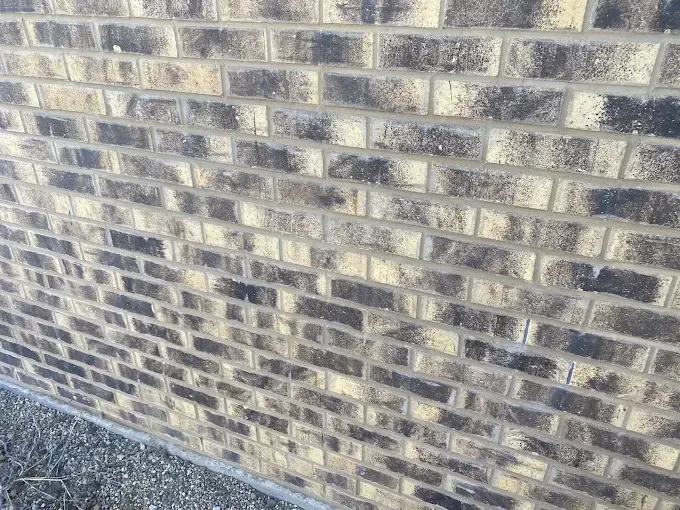
- Efflorescence on Brick or Mortar: White, powdery mineral deposits on chimney masonry show water movement through the material, carrying dissolved salts to the surface.
- Rust or Corrosion on Flashing or Chimney Cap: Oxidation of metal flashing or cap components points to persistent moisture exposure and compromised seals.
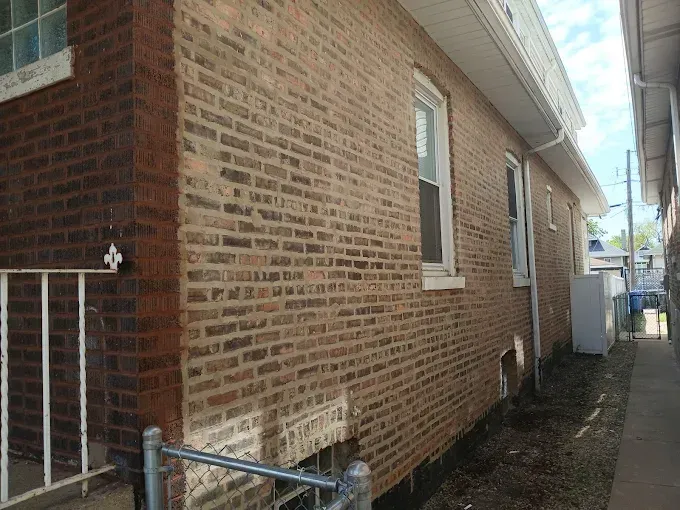
- Cracked Chimney Crown or Mortar Joints: Visible cracks allow direct entry of rain and snow; look for missing mortar or gaps between bricks.
- Increased Soot or Smoke Smell Indoors: Water entering the flue can alter draft and cause more soot to back up into living spaces or create unusual odors.
- Mold, Mildew, or Musty Odors: Persistent dampness from leaks can foster biological growth in wall cavities and attics, producing distinct musty odors.
- Drips or Active Water Flow: The clearest sign—visible dripping inside the home or attic during precipitation—confirms an ongoing leak requiring immediate attention.
- Loose or Deteriorated Masonry: Bulging bricks, spalling, or crumbling mortar suggest moisture-related freeze-thaw damage that can lead to leaks and structural issues.
When Should I Call a Professional Chimney Inspector?
Schedule a professional inspection as soon as you notice staining, interior dampness, or any of the visible indicators above, or if your chimney is over 10 years old and has not been inspected. Certified chimney professionals can perform a thorough evaluation, including camera inspections of the flue and checks of the flashing, crown, and mortar. Prompt professional assessment prevents escalation—attempting temporary DIY repairs often misses underlying damage and may result in higher costs later—so rely on trained technicians to diagnose and recommend durable solutions.
Does Your Chimney Need Tuckpointing in Oak Lawn and the Chicagoland Area?
If you are a homeowner in
Brookfield,
Oak Lawn,
Beverly, or
Willow Springs, IL, and suspect your chimney needs
tuckpointing,
contact Kerry Tuckpointing. We offer a workmanship warranty on all projects, and our tuckpointing experts have been servicing homes and their chimneys in the Oak Lawn and Chicagoland area for 30 years. If your chimney shows staining, crumbling bricks, missing mortar, or loose or shifting bricks, don’t hesitate to reach out. Kerry Tuckpointing can come out to your home and start the repair process before it gets worse.