Brick Repair in Mount Greenwood: Signs Your Home Needs Masonry Work
Signs Your Mount Greenwood Home Needs Brick Repair
Brick damage often begins with small changes in the mortar, individual bricks, or areas around windows and doors. Catching these warning signs early can help you limit water intrusion and prevent a localized problem from spreading across a larger section of masonry.
If you need brick repair in Mount Greenwood, look beyond obvious cracks. Crumbling mortar, loose bricks, recurring wall stains, and changes in the shape of a wall can all indicate that your home needs professional masonry work. A qualified mason can identify the source of the damage and determine whether you need tuckpointing, individual brick replacement, or a more extensive repair.
1. Your Mortar Joints Are Crumbling or Receding
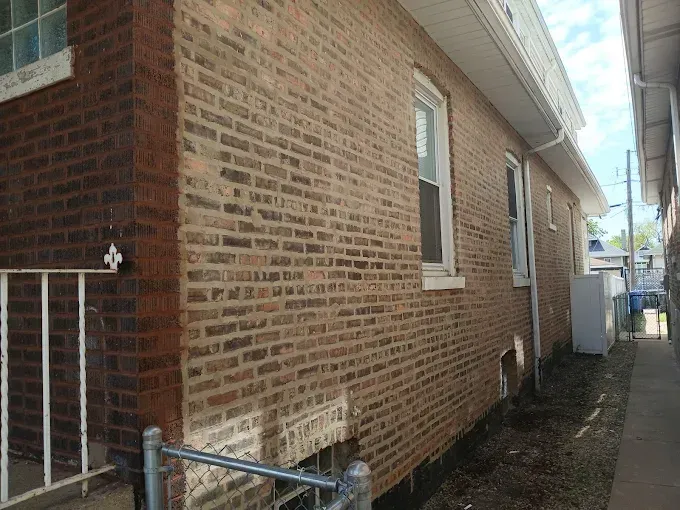
Deteriorating mortar is one of the most common signs that masonry work is needed. You may notice joints that look powdery, contain small gaps, or have worn back from the face of the surrounding brick.
Mortar helps hold the masonry together while limiting the amount of water that enters between bricks. Once it begins to fail, moisture can settle into the open joints. Professional tuckpointing removes deteriorated mortar and replaces it with new material selected to work with the existing masonry.
A few damaged joints may be suitable for a localized repair when the surrounding mortar remains sound. If deterioration appears across an entire wall, broader tuckpointing may provide a more appropriate solution.
2. Bricks Are Cracked, Chipped, or Flaking
A cracked brick has lost part of its protective surface and may allow water to penetrate more easily. Flaking or peeling brick faces, sometimes called spalling, also indicate that the masonry is deteriorating rather than experiencing a harmless cosmetic change.
One damaged brick does not necessarily mean that the entire wall needs rebuilding. Individual units can often be removed and replaced when the surrounding masonry remains stable. However, a growing pattern of cracked or flaking bricks may point to persistent moisture exposure, failing mortar, or movement that needs to be investigated before repairs begin.
Check lower walls, corners, window ledges, and other areas where water may collect. Damage can be easy to overlook when it begins close to the ground or behind shrubs.
3. You See Stair-Step Cracks in the Mortar
Stair-step cracks follow the mortar joints in a stepped pattern rather than cutting straight through the bricks. These cracks can develop for several reasons, including movement in the wall or the structure supporting it.
The width, location, and progression of the crack all matter. A thin, stable crack may require a different repair than a widening crack accompanied by loose bricks or visible wall movement. Because the correct response depends on the cause, simply filling the visible gap may not provide a lasting repair.
Schedule an evaluation if a stair-step crack continues to grow, reappears after previous repairs, or extends across a large portion of the wall.
4. Bricks Feel Loose or the Wall Looks Uneven
Loose bricks and walls that bow, bulge, or lean require prompt attention. These conditions can indicate that the masonry is no longer properly bonded or that moisture and movement have affected more than the outer surface.
Do not pull on a loose brick or attempt to push a bulging area back into place. Disturbing weakened masonry can make the area less stable. A professional mason can assess how much of the wall is affected and whether the problem calls for limited brickwork or a broader masonry repair.
Even a subtle change deserves attention if the wall previously appeared straight. Photos taken from the same position over time can help you determine whether the condition is progressing.
5. Cracks Are Forming Above Windows or Doors
Cracks near windows, doors, and garage openings can be related to the masonry or the lintel that supports the brick above the opening. Warning signs may include horizontal cracking, stair-step cracks near the corners, rust staining, or brick that appears displaced.
These areas carry weight differently from an uninterrupted wall, so the repair must address the part that is actually failing. Replacing cracked mortar alone may not solve a problem caused by a deteriorated lintel or movement above the opening.
Have the area inspected if a crack keeps returning or if nearby doors and windows have also become difficult to open. Those combined symptoms can help a professional understand the scope of the problem.
6. Water Stains Keep Appearing on or Near the Brick
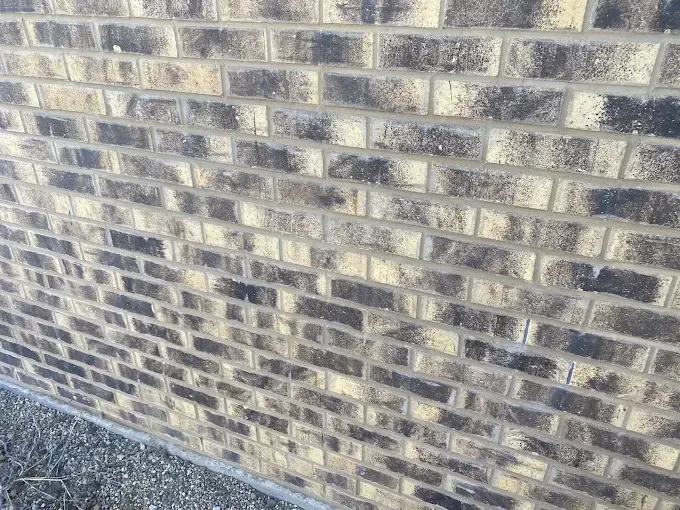
Dark patches, recurring dampness, white powdery deposits, or stains on interior walls can all be signs that moisture is moving through or behind the masonry. White deposits, known as efflorescence, form when water carries salts to the brick surface and then evaporates.
Efflorescence can sometimes be cleaned from the surface, but cleaning does not correct the moisture source. Open mortar joints, cracked bricks, damaged chimney components, and other gaps may continue allowing water into the masonry.
If you live in Mount Greenwood, Beverly, Oak Lawn, or Evergreen Park, seasonal freezing can make moisture-related damage worse. Water that enters small openings can freeze, expand, and place additional pressure on the surrounding brick and mortar.
7. Your Chimney Shows Visible Masonry Damage
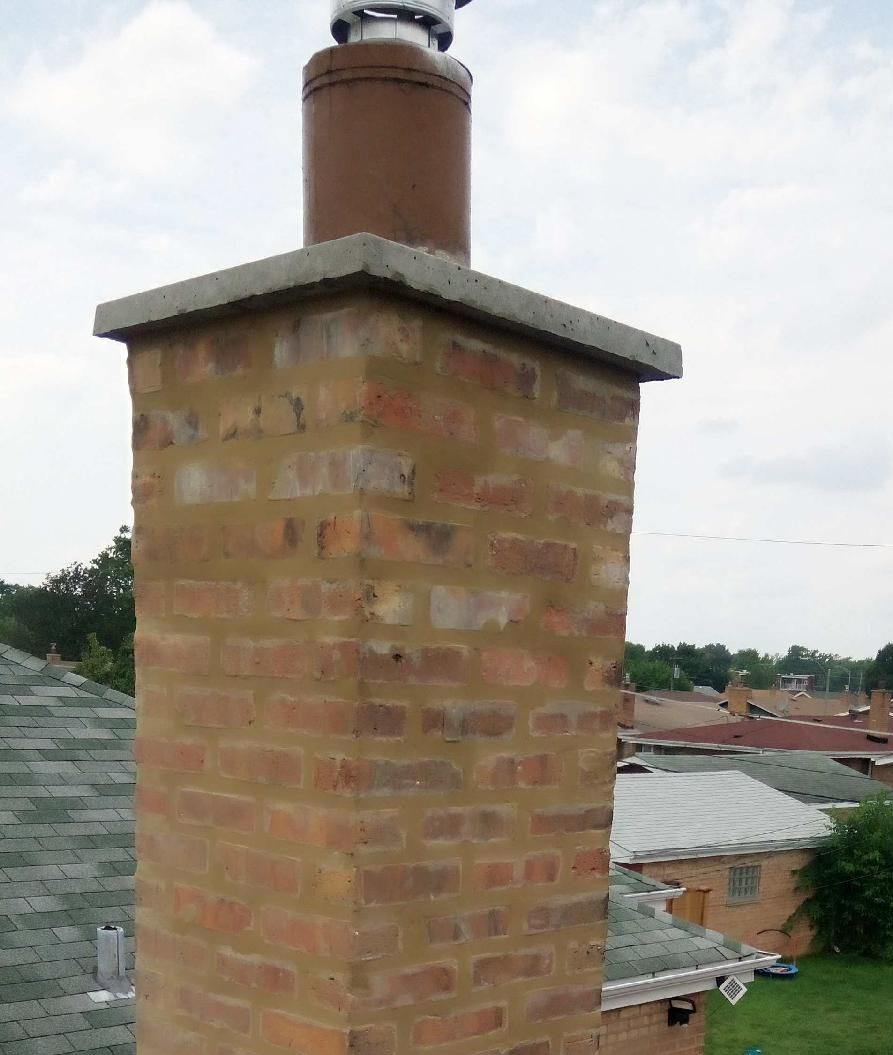
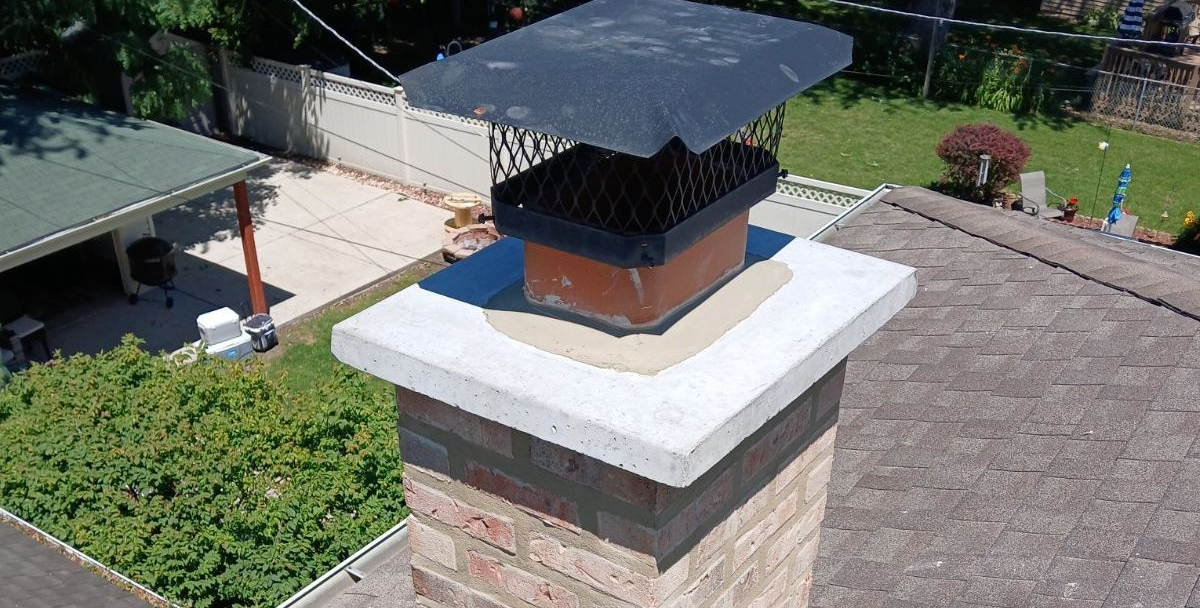
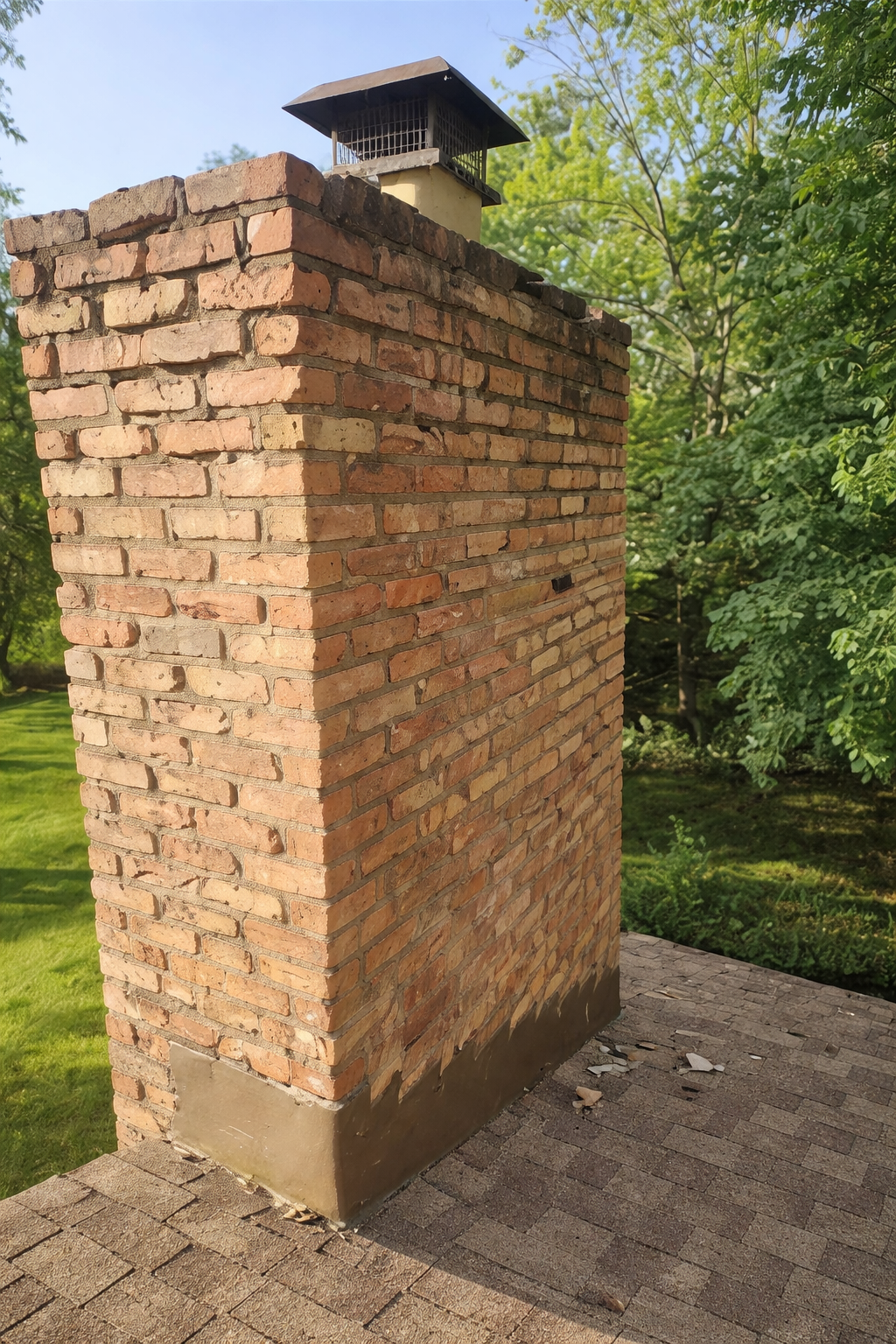
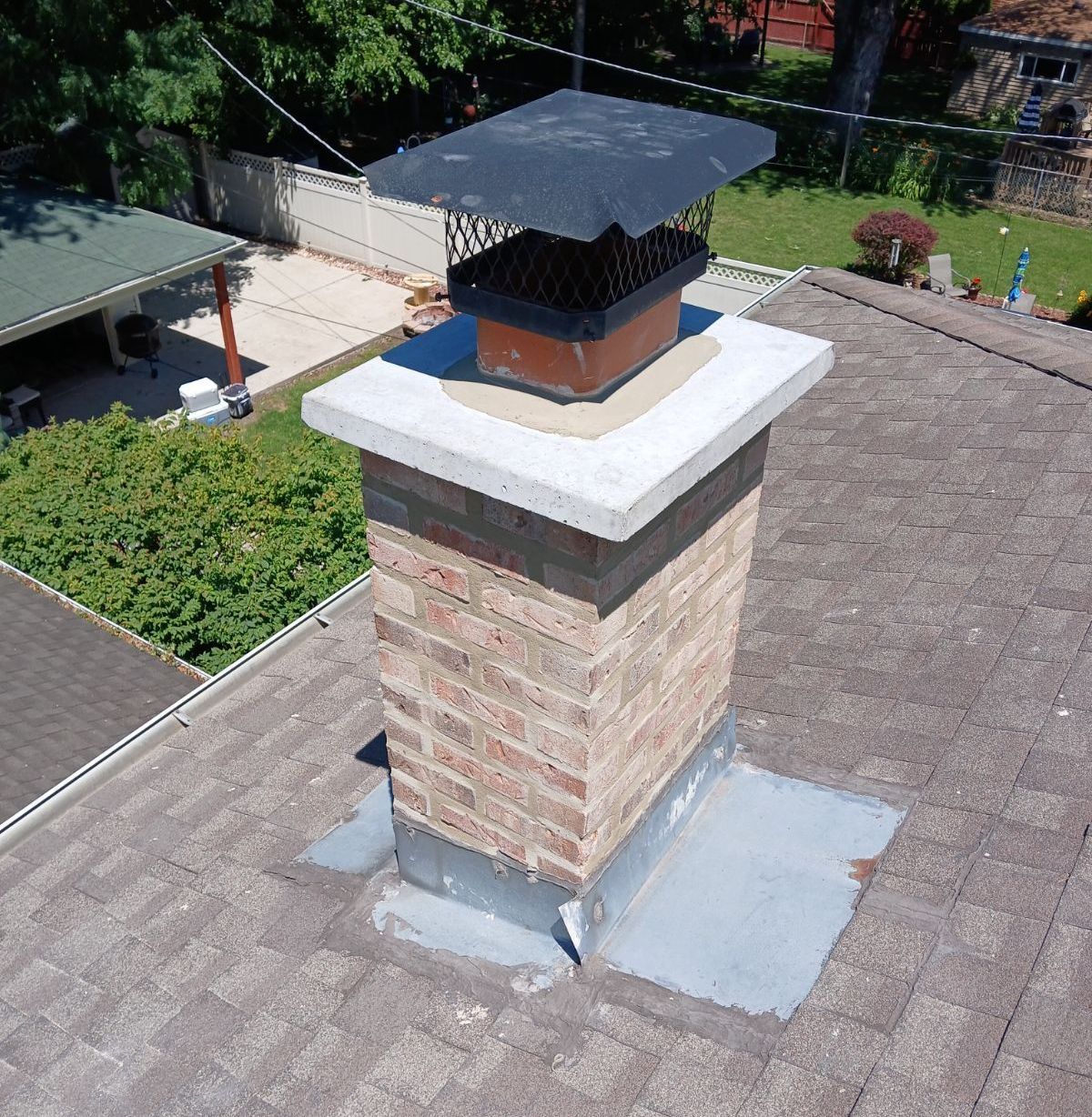
A chimney is especially exposed to rain, snow, wind, and temperature changes. Look for missing mortar, loose bricks, cracks, flaking surfaces, or debris collecting near the base of the chimney.
Chimney damage can involve several components, so the correct repair depends on where the deterioration begins. The brick and mortar may need tuckpointing or replacement, while damage at the top could involve the chimney crown or cap.
Do not assume a small visible crack is the full extent of the problem. An inspection can determine whether the damage is limited to one area or has allowed moisture to reach other parts of the chimney.
Can Damaged Brick Be Repaired Without Rebuilding the Wall?
Damaged brick can often be repaired without rebuilding an entire wall when the problem is localized and the surrounding masonry remains sound. A mason may replace individual bricks, restore failed mortar joints, or repair a limited section while preserving the rest of the wall.
More extensive masonry work may be needed when bricks are loose across a wide area, the wall is visibly moving, or repeated repairs have failed. The goal is not to choose the smallest repair automatically. It is to match the work to the actual condition so the repaired area remains durable.
Material compatibility also matters. Replacement mortar should work with the age and characteristics of the existing masonry, and new brick should be selected to blend with the surrounding wall as closely as practical.
Why Prompt Brick Repair Matters
Prompt brick repair helps close openings before additional water enters the masonry. Once moisture reaches damaged joints or porous brick, repeated freeze-thaw cycles can enlarge cracks, loosen surfaces, and spread deterioration into nearby areas.
Early repairs also tend to preserve more of the original masonry. Addressing a few failed joints or damaged bricks may prevent the problem from reaching a lintel, interior wall, chimney, or larger wall section.
You do not need to diagnose the repair yourself. Your job is to watch for changes and schedule an assessment when damage appears to be new, recurring, or getting worse.
Get Experienced Masonry Work in Mount Greenwood and the South Chicagoland Area
Kerry Tuckpointing provides brick repair and masonry services in Mount Greenwood, Beverly, Oak Lawn, and Evergreen Park. With service dating back to 1991, a licensed team of professional masons, and a workmanship warranty on every project, you can get a repair recommendation based on the condition of your masonry. Contact Kerry Tuckpointing to request a free estimate and find out what your brickwork needs.