Is Cracked Brick a Structural Problem or Just Cosmetic?
The Difference Between Cosmetic & Structural Brick Cracks
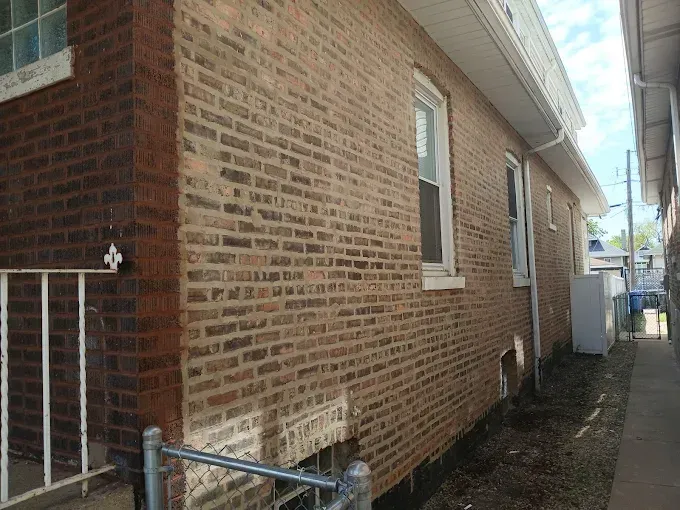
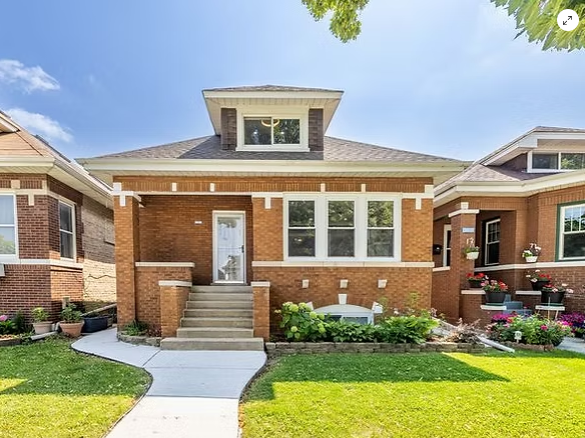
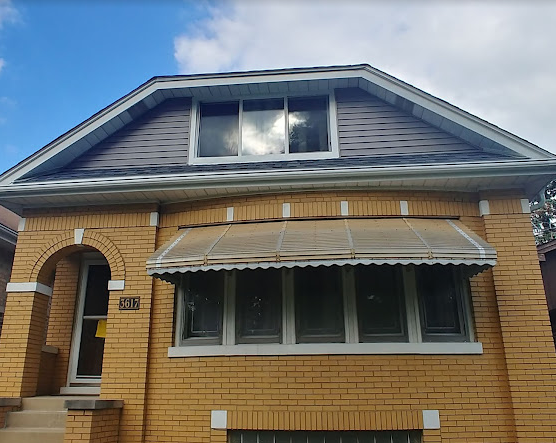
Not every cracked brick means your home's structure is at risk, but figuring out which is which takes more than a glance from the sidewalk. Some cracks are purely cosmetic, limited to a single brick or the mortar around it, while others point to real movement in the wall or foundation underneath. Kerry Tuckpointing has handled brick repair and tuckpointing for homes throughout La Grange, Chicago, and the greater Chicagoland area since 1991, and knowing the difference is what determines whether a repair is a quick fix or something more involved.
Signs a Crack Is Just Cosmetic
Most cracked brick falls into the cosmetic category, and a few signs point in that direction:
- The crack follows a single mortar joint rather than cutting through the brick itself
- It's a hairline crack that hasn't widened over time
- Only one or two bricks are affected, not a larger section of the wall
- The crack doesn't line up with a door, window, or corner where structural stress tends to show up first
These situations usually call for straightforward brick repair or tuckpointing rather than anything more extensive, and in many cases, a targeted mortar joint repair is all that's needed.
Signs a Crack Points to a Structural Problem
Some cracks are a sign of something bigger happening behind the brick. Watch for:
- Stair-step cracks that run diagonally across multiple courses of brick
- Cracks that widen at the top or bottom rather than staying a consistent width
- Cracking that runs through the brick itself, not just the mortar joints
- Doors or windows that have become difficult to open or close near the cracked area
- Cracks that keep reappearing in the same spot after a previous tuckpointing repair
Any of these is worth a closer look before assuming a simple brick repair will solve the underlying issue.
What Determines the Difference
The age of the structure, the type of foundation, and what's happening with the soil underneath all play a role in whether a crack is cosmetic or structural. Older homes settle over decades, and a crack that's been stable for years without changing is usually nothing to worry about beyond a cosmetic repair. A crack that's appeared recently and continues to grow, on the other hand, suggests the wall or foundation is still moving, which changes what kind of repair actually makes sense.
Can a Cracked Brick Be Repaired Without Replacing the Whole Wall?
A cracked brick rarely means the whole wall needs to come down. Spot tuckpointing addresses a localized area of damaged mortar without touching the sections of the wall that are still sound, and loose brick can be replaced without disturbing everything around it. Even a cosmetic crack that's spread across a few bricks usually gets handled through mortar joint repair, matching the new mortar and brick to the existing wall so the tuckpointing blends in rather than standing out. Full wall replacement is rarely the answer, even when a crack looks more serious than it turns out to be.
What About Cracks in Your Chimney or Other Masonry?
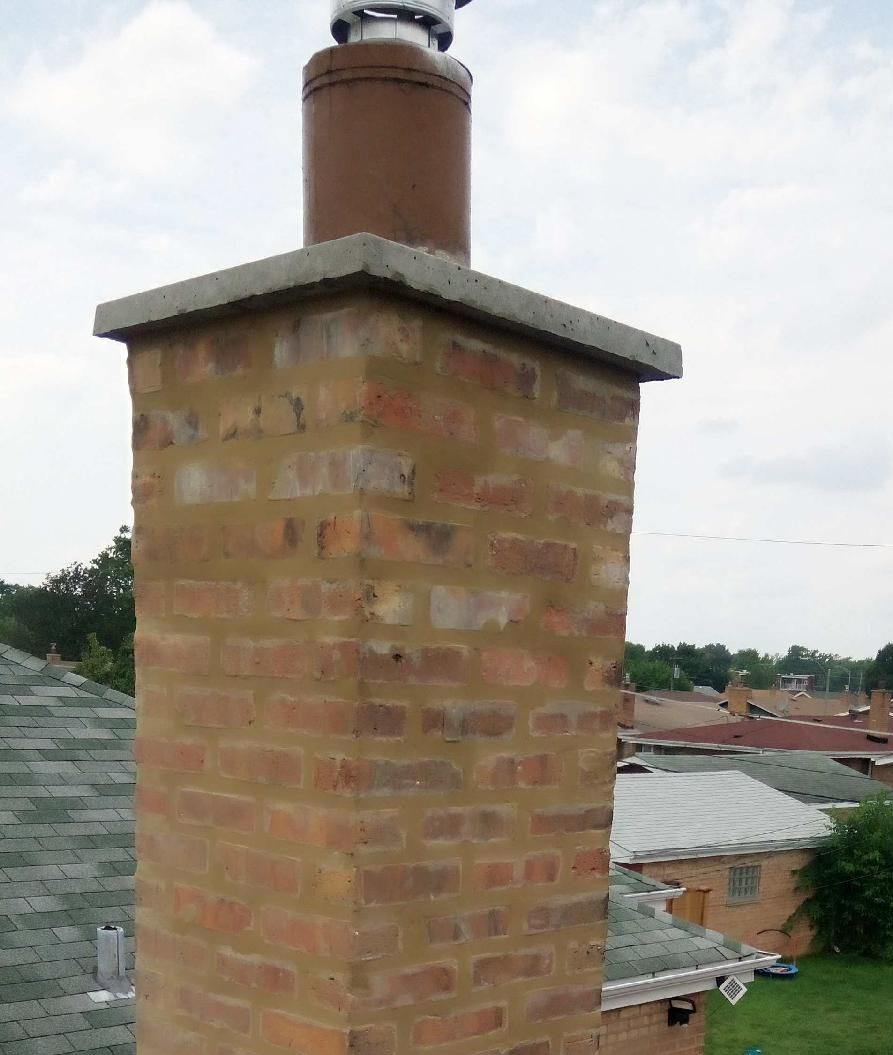
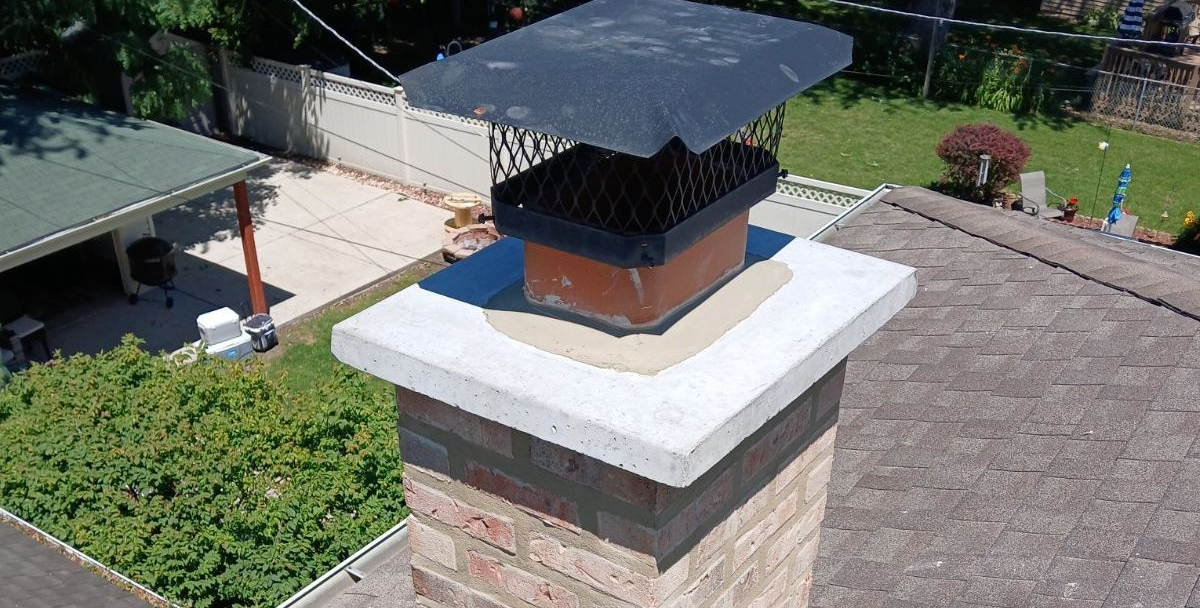
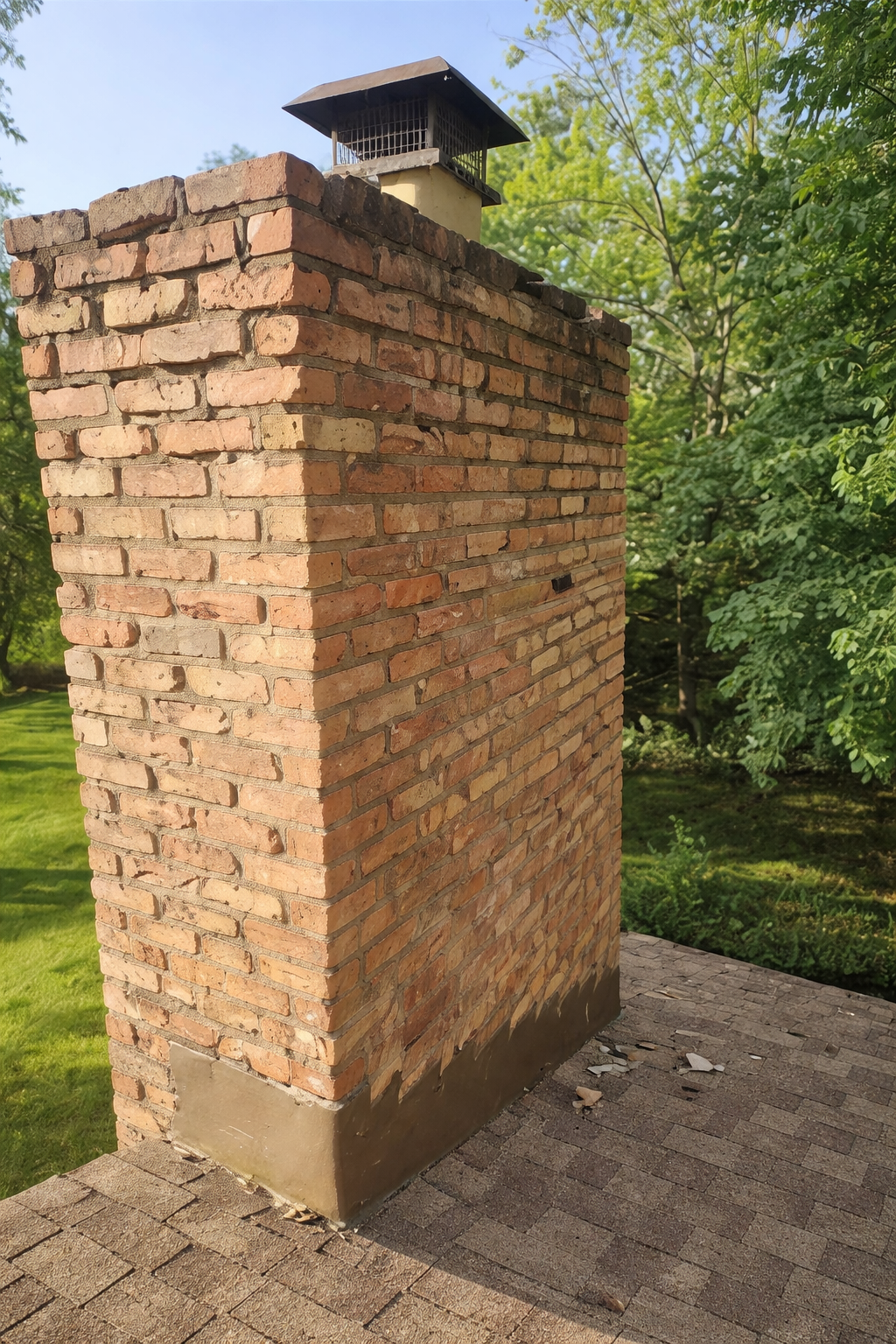
Brick isn't the only masonry that cracks over time. Chimneys face many of the same freeze-thaw and settling issues and often need their own chimney tuckpointing or chimney repair rather than the same approach used on a wall. Cracks in a chimney crown or cap are common too, and those get addressed through crown and cap repair separately from the brick joints themselves. Whatever masonry on your property is showing cracks, evaluating what's actually happening before recommending a fix is the same approach, whether it's a wall, a chimney, or another part of the structure.
When to Call a Structural Engineer Instead of a Mason
There are situations where a mason isn't the right first call. If a crack is accompanied by visibly sloping floors, doors and windows that no longer close properly throughout the house rather than just near the crack, or a foundation that appears to be settling unevenly, a structural engineer's assessment may be the more appropriate next step before any brick repair begins. Kerry Tuckpointing will tell you honestly when a situation looks like it goes beyond what tuckpointing or brick repair can address, rather than taking on a repair that won't actually solve the underlying problem. In most cases, though, a cracked brick turns out to be exactly what it looks like: a masonry issue that a proper repair handles completely, since most brick cracking comes from decades of ordinary weathering and settling rather than an active structural failure.
Why a Professional Evaluation Matters
Kerry Tuckpointing evaluates cracked brick in person before recommending a repair rather than guessing based on how bad the crack looks. Brick repair and tuckpointing address the cosmetic and moderate cases, restoring the mortar and matching the existing brick so the fix doesn't stand out. If a crack points to something more structural, that's worth knowing before committing to a repair that won't address the actual cause.
What Happens If You Ignore a Structural Crack
A structural crack doesn't stay the same size while you decide what to do about it. Continued settling or moisture intrusion widens the crack further, and left long enough, it can affect more of the wall than the section that originally cracked. Addressing a structural issue early, rather than waiting for it to become obviously worse, is generally the difference between a moderate tuckpointing repair and a much larger one.
Trusted Brick Repair & Tuckpointing in La Grange, Chicago & the Chicagoland Area
If you've noticed a crack in your brick and aren't sure whether it's cosmetic or something more, Kerry Tuckpointing evaluates brick repair, tuckpointing, and masonry needs throughout Gresham, Brookfield, Evergreen Park, and La Grange, backed by 30+ years of experience and a workmanship warranty on every project. Contact us today for a free estimate and an honest answer on what your brick actually needs.