What Is a Chimney Cap and Why Is It Important?
Chimney Caps Explained: Function, Benefits, and Types
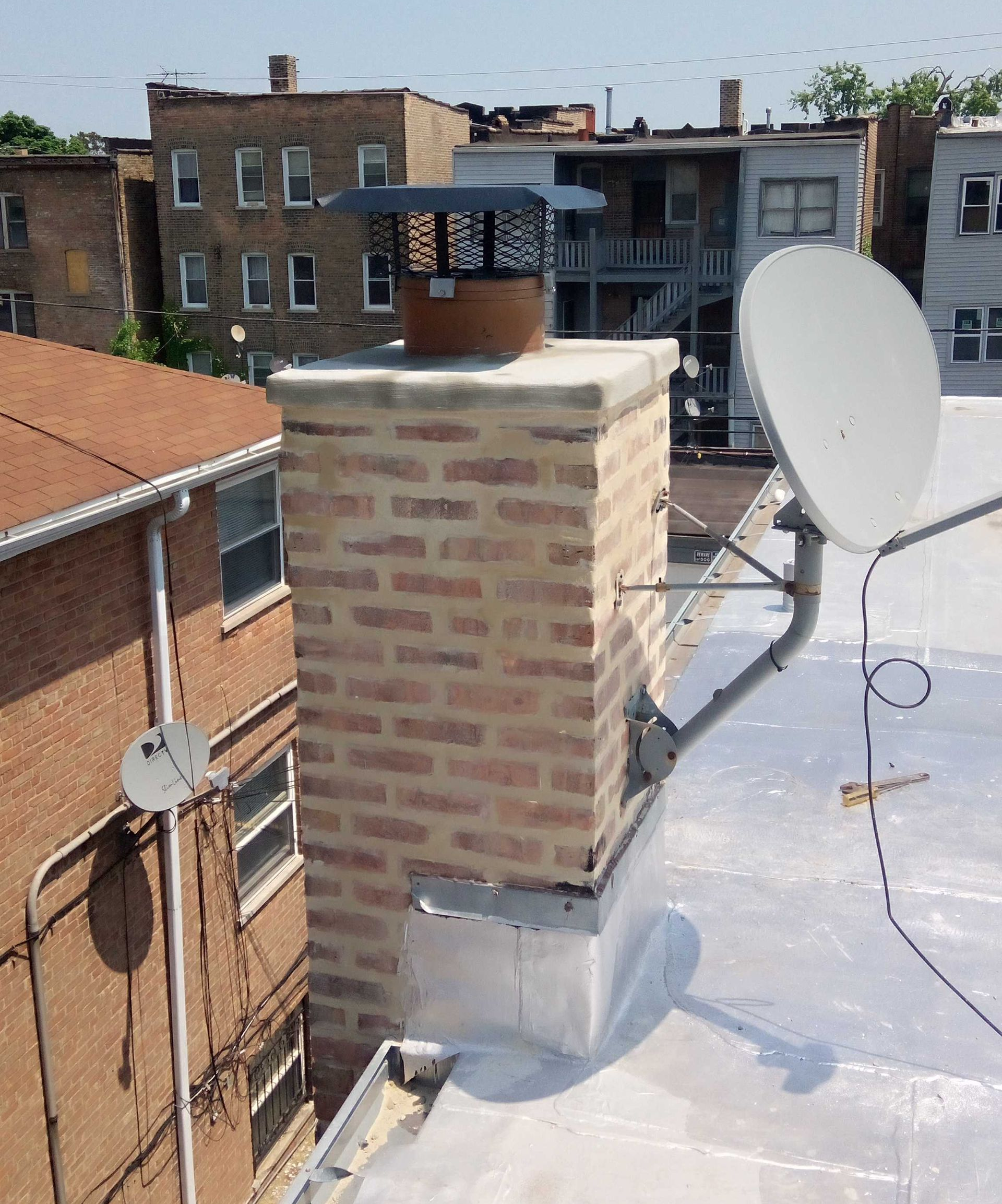
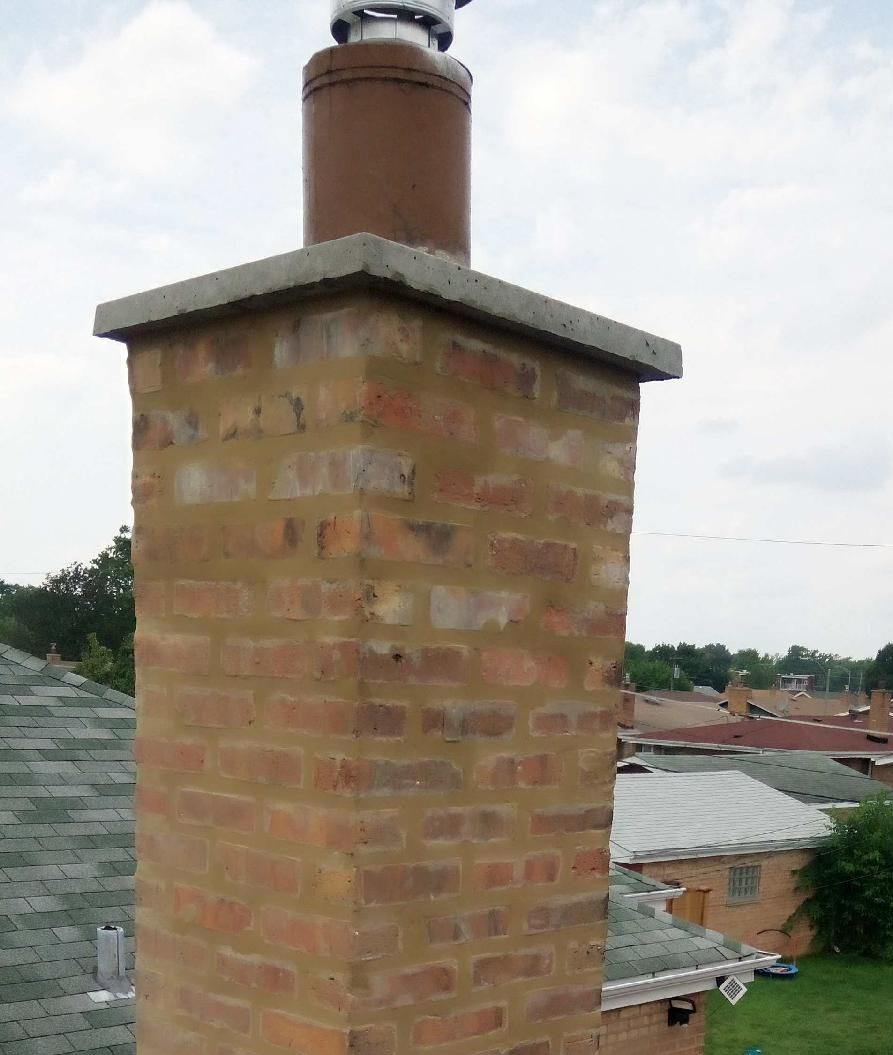
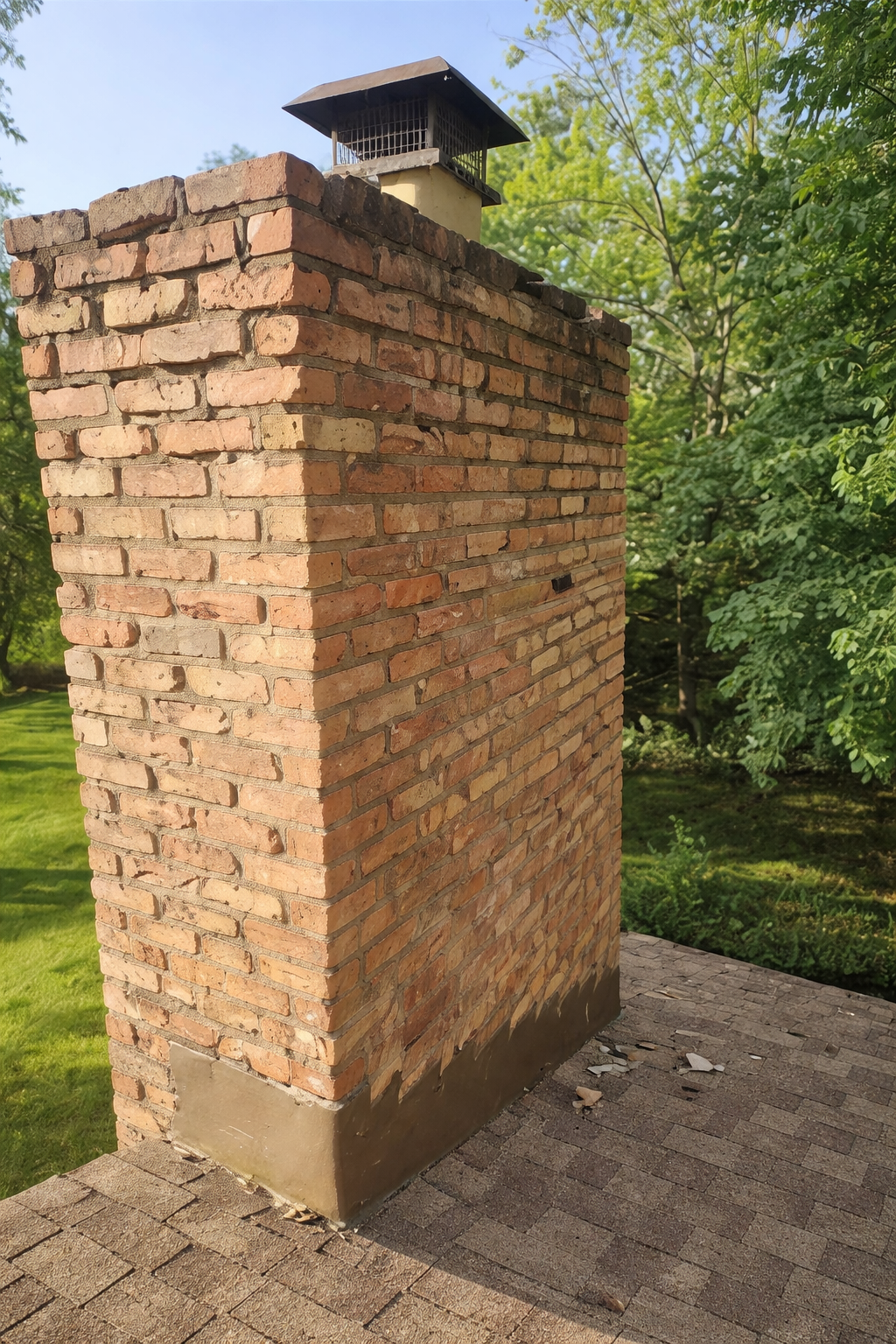
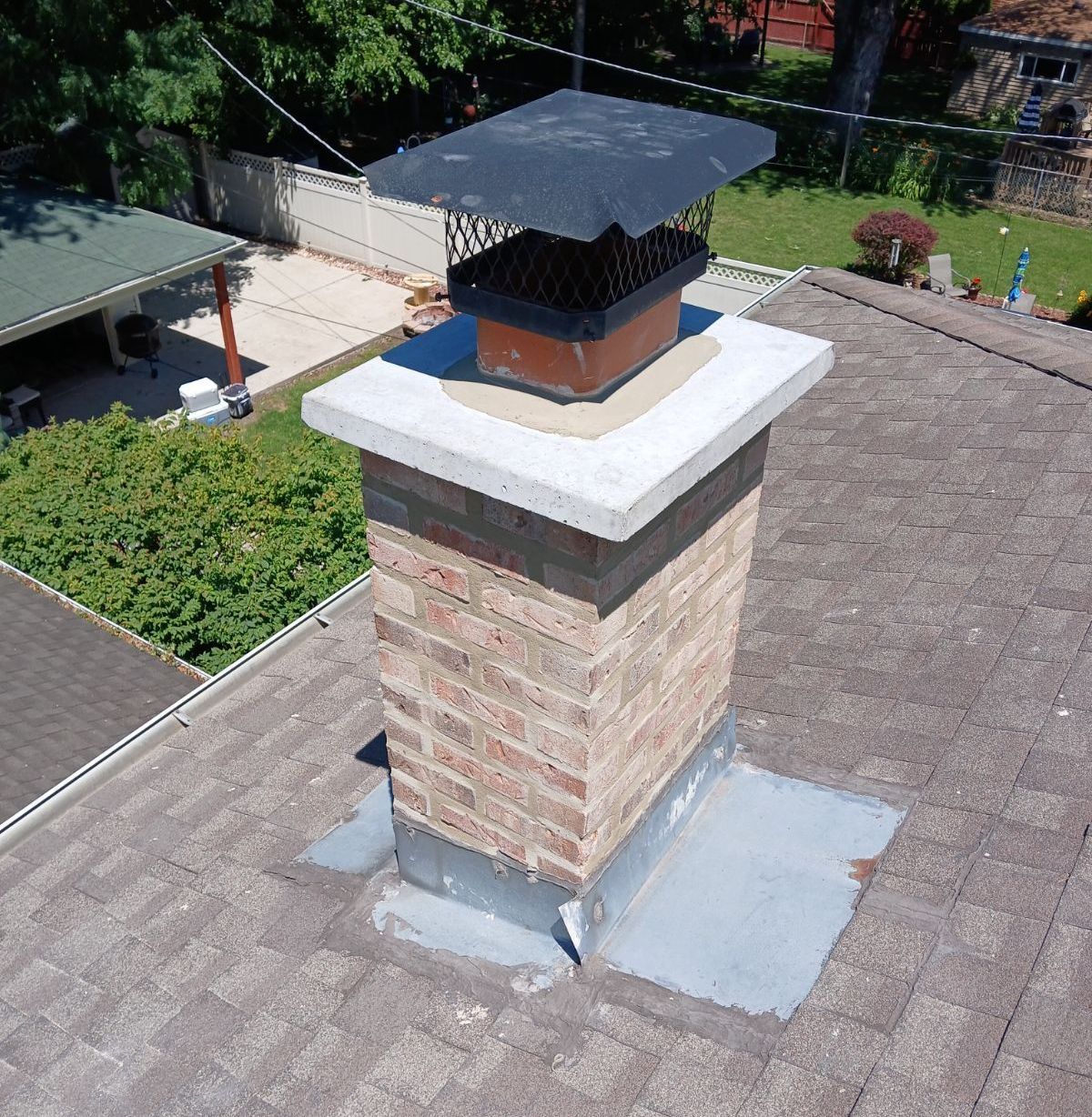
A chimney cap is a fitted cover installed atop a chimney flue that prevents water, animals, debris, and sparks from entering while allowing smoke and gases to vent. Often made of stainless steel, copper, or galvanized metal with mesh sides and a solid top, chimney caps are a small but essential component of a safe, efficient chimney system. Understanding their purpose, benefits, and types helps homeowners protect their structure and indoor air quality.
What Does a Chimney Cap Do?
A chimney cap serves several simultaneous functions: it keeps rain and snow out of the flue, blocks birds, squirrels, and raccoons from nesting inside, prevents leaves and other debris from clogging the chimney, and stops sparks or embers from escaping onto the roof. By limiting moisture entry, a cap reduces deterioration of mortar, bricks, and flue liners, which can develop costly structural problems over time. Proper venting through a capped flue also helps maintain draft and reduces the chance of combustion byproducts backing up into living spaces.
How Does a Chimney Cap Protect Your Home?
Beyond blocking physical intruders and moisture, a chimney cap minimizes the risk of chimney fires and carbon monoxide infiltration. Spark arrestor mesh prevents hot embers from igniting nearby roofing materials, while a correctly sized cap supports balanced airflow to help ensure smoke and gases exit outdoors. Caps also reduce downdrafts—when wind pushes smoke back into the home—which improves indoor air quality and occupant comfort. In cold climates, caps can limit the inflow of icy water and freezing conditions that accelerate flue and masonry damage.
What Are the Common Types of Chimney Caps?
- Standard single-flue cap: A flat top with mesh sides, sized for one flue, typically stainless steel, offering basic spark-arresting and animal-exclusion protection.
- Multi-flue cap: Designed to cover several flues under one hood, common on older homes with adjacent flues, providing consolidated protection and improved aesthetics.
- Custom-fabricated cap: Built to match irregular or uniquely sized chimneys using copper or stainless steel; often chosen for historic properties or design continuity.
- Plate-style cap (crowns and chase tops): A solid plate that sheds water away from the flue opening, frequently used on masonry crowns or boxed chimney chases to prevent direct water intrusion.
- Top-mount damper with cap: Combines a top-sealing damper that closes when not in use with a protective cap, improving energy efficiency while maintaining weather and animal defenses.
- Mesh-only spark arrestor: Features heavier-gauge mesh for wildfire-prone areas; focuses on ember containment but may offer less water deflection than capped hoods.
- Copper decorative cap: Aesthetic-focused option that resists corrosion and patina over time; functional for weather and wildlife protection while enhancing curb appeal.
- Stainless steel heavy-duty cap: Corrosion-resistant and long-lasting, chosen for coastal or high-moisture environments where longevity is essential.
- Adjustable or universal-fit cap: Offers flexibility for slight size variations and temporary solutions, though improper fit can reduce effectiveness and lead to performance issues.
When Should You Replace or Install a Chimney Cap?
Install or replace a chimney cap when you notice rusted or damaged mesh, signs of animal entry or nesting, persistent downdrafts, water staining in the firebox, or visible deterioration of the flue top and masonry. After major chimney repairs, roof work, or when updating heating appliances, re-evaluate the cap condition to ensure compatibility. Routine inspection by a qualified professional during annual chimney service will identify cap wear and recommend timely replacement to avoid more costly structural or indoor air problems.
Is Your Chimney Cap Damaged in Brookfield or the Chicagoland Area?
If you own property in
Brookfield,
Oak Lawn,
Beverly, or
La Grange, IL,
contact us at Kerry Tuckpointing. We have more than 30 years of experience replacing
chimney caps in Brookfield and the greater Chicagoland area. We stand behind our work and provide a warranty on all masonry projects. You'll be happy you trusted Kerry Tuckpointing with your masonry needs. Check out our Google reviews
here!