How Cracked Mortar Leads to Water Intrusion During Winter Storms
The Winter Weather Risks of Damaged Mortar
Winter storms can bring beautiful scenery with blankets of snow and icicles hanging from eaves. However, harsh winter conditions can also compromise the structural integrity of homes, especially brick and masonry structures. One significant issue during winter storms is water intrusion, often exacerbated by cracked mortar. In this blog, we will explore how cracked mortar contributes to water intrusion during winter storms and the preventive measures homeowners can take.
Understanding Mortar and Its Role
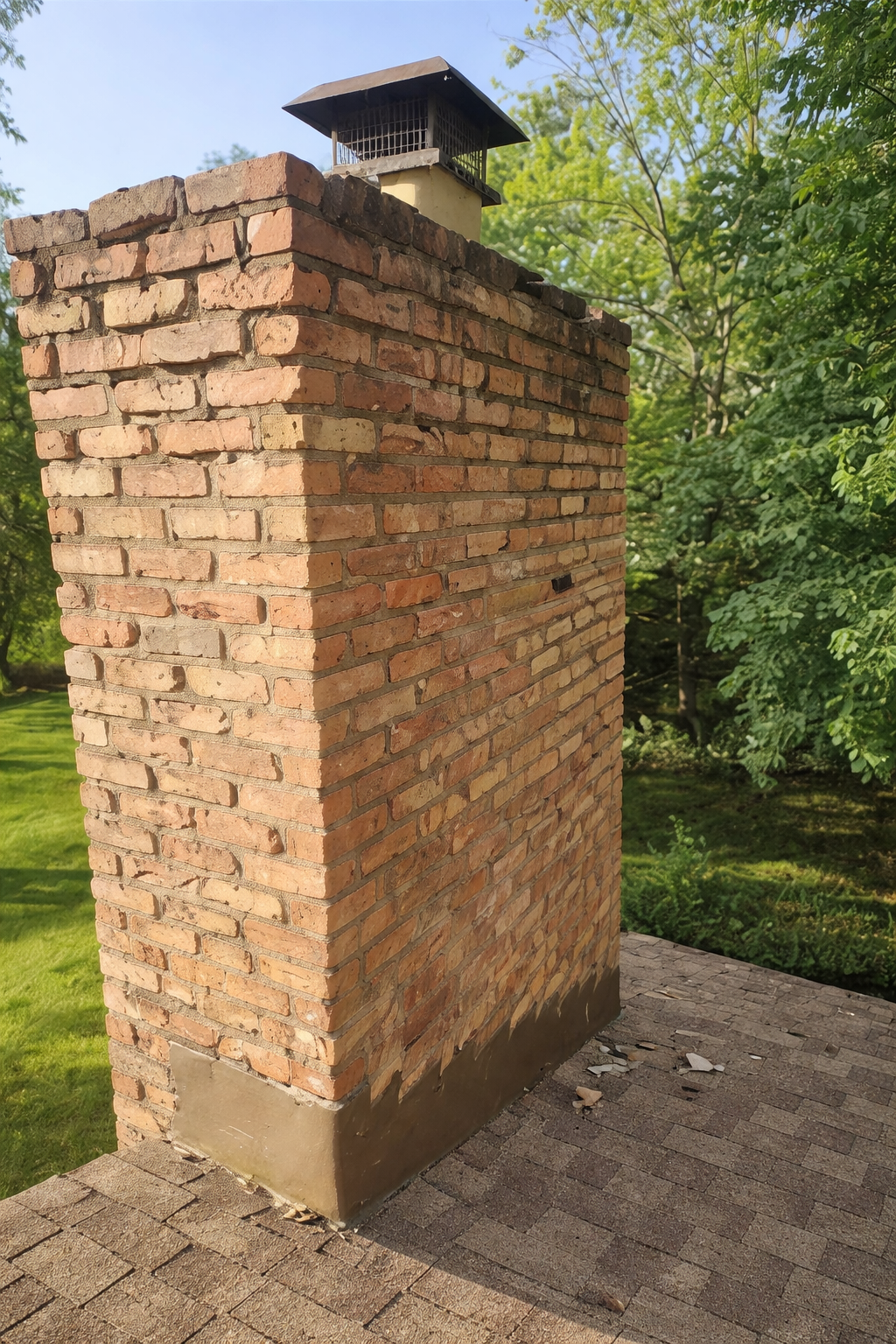
Mortar is a mixture of sand, water, and cement that binds bricks or stones, providing structural support and stability to masonry walls. It also serves as a barrier against environmental elements. When mortar cracks, it loses its ability to protect the structure from water, leading to potential damage.
How Water Intrusion Occurs
When winter storms roll in, they bring heavy precipitation in the form of rain, sleet, or snow. Here’s how cracked mortar can exacerbate water intrusion:
- Cracked Mortar Allows Water Penetration: Once mortar cracks, water can seep into the gaps during storms. As water penetrates, it can travel through the walls, causing more severe structural damage.
- Freeze-Thaw Cycles: When temperatures drop, water trapped in cracks can freeze. Ice expansion widens cracks, causing further damage to the mortar and surrounding brickwork. As temperatures rise, the ice melts, continuing the cycle of intrusion and expansion.
- Increased Pressure on Structures: Freezing and thawing water can create additional cracks in masonry, further compounding the problem and increasing the risk of water intrusion.
Consequences of Water Intrusion
Water intrusion is not just a minor inconvenience – it can lead to severe repercussions for a home’s integrity and safety:
- Mold and Mildew Growth: Moist environments are ideal for mold and mildew growth, which can cause health issues for occupants and structural damage.
- Damage to Interior Spaces: Water intrusion can damage walls, ceilings, flooring, and electrical systems, resulting in costly repairs.
- Foundation Damage: Over time, persistent water intrusion can compromise a home’s foundation, leading to expensive structural issues.
Preventive Measures
To protect your home from water intrusion due to cracked mortar, consider the following preventive measures:
- Regular Inspections: Conduct seasonal inspections of your home’s exterior, focusing on mortar joints. Look for visible cracks, crumbling, or any signs of water damage.
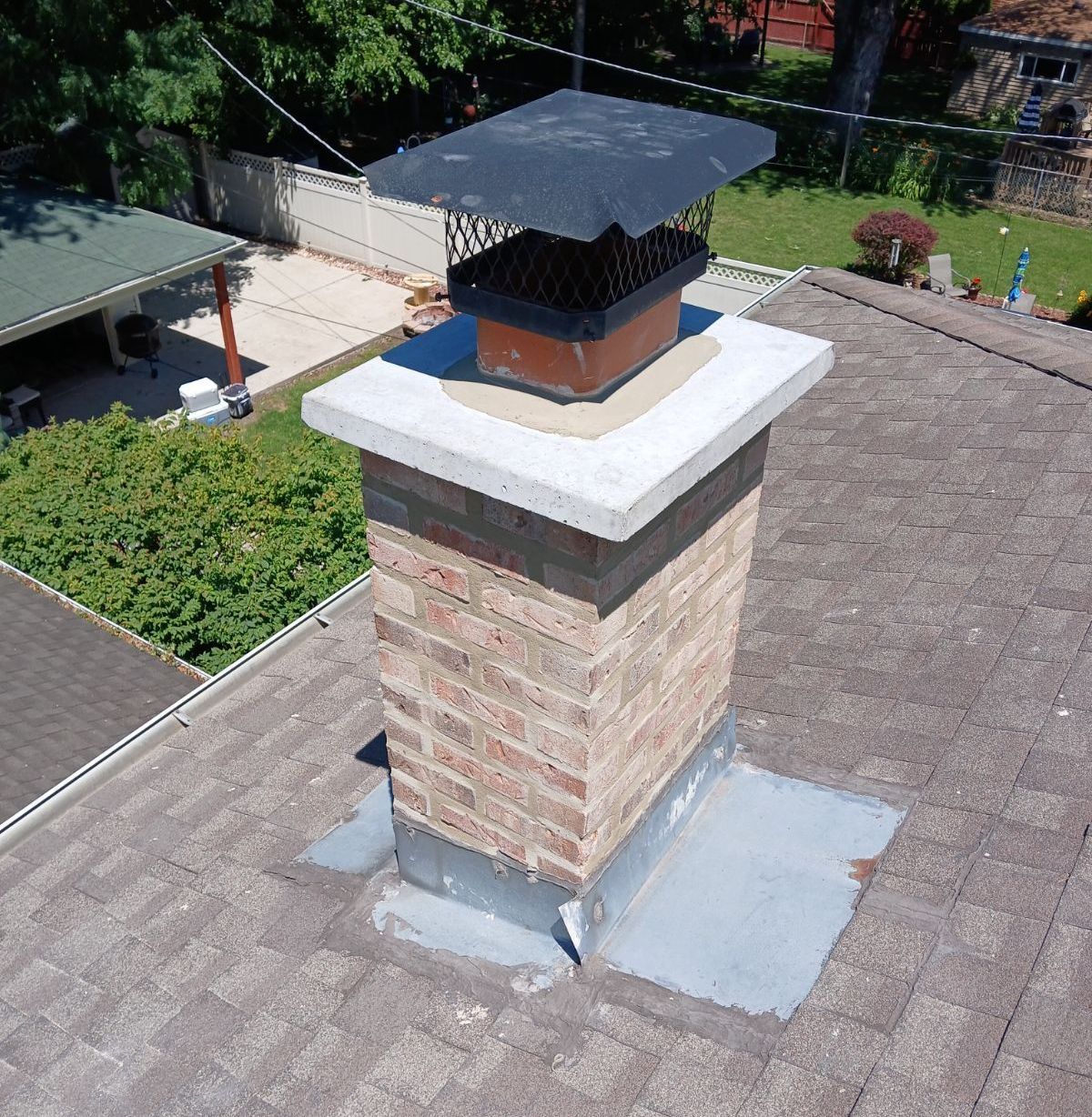
- Prompt Repairs: Any cracks in the mortar should be addressed promptly by a qualified masonry professional. Properly repairing and sealing these areas helps prevent water from infiltrating the walls and causing structural damage.
- Waterproofing Treatments: Applying waterproofing coatings to masonry surfaces can provide an additional barrier against water intrusion, especially in high-exposure areas.
- Proper Drainage: Ensure that gutters and downspouts are functioning correctly to direct water away from your home’s foundation. This reduces the amount of moisture that could seep into cracks.
- Winter Preparation: Before winter storms hit, ensure that your home is winterized. This includes insulating pipes, sealing openings, and reducing drafts, which can cause colder temperatures in your walls and mortar.
Cracked mortar is more than an aesthetic concern; it creates a pathway for water intrusion during winter storms, which can lead to significant structural damage if left unaddressed. By understanding how cracked mortar allows water to penetrate your home and taking proactive steps to maintain and repair your masonry, you can protect your property from the detrimental effects of winter weather. Regular inspections and timely repairs can keep your home safe, dry, and sound throughout the harsh winter months.
Does Your Masonry Need Inspection in the Chicagoland Area?
If you own property in
Oak Lawn,
Brookfield,
Chicago, or the surrounding suburbs and suspect your
mortar needs a thorough inspection,
contact Kerry Tuckpointing. We’ve been inspecting mortar in this area since 1991.